A Guide To Talpiot
Let me tell you about Talpiot, a neighborhood that represents a completely different vision of Jerusalem from the elegant European sophistication of Rehavia or the gentrified cosmopolitanism of the German Colony. Talpiot is where working Jerusalem lives, where industry meets residence, where you’re as likely to see auto body shops and warehouse stores as cafés and boutiques, and where the gritty reality of making a living in an expensive city takes precedence over architectural aesthetics or intellectual pretensions. If you want to understand how most Jerusalemites actually live, away from the tourist sites and the elite neighborhoods, Talpiot is where you need to go.
Talpiot is located in southern Jerusalem, south and east of neighborhoods like Baka and the German Colony, stretching toward the eastern edges of the city. The neighborhood is generally divided into two distinct areas: Talpiot Mizrach, or East Talpiot, which is primarily residential, and the industrial zone which dominates the western and southern portions. This split personality, half homes and half factories, warehouses, and commercial enterprises, defines Talpiot’s character and makes it fundamentally different from Jerusalem’s more prestigious addresses.
The history of Talpiot begins in the nineteen twenties, during the British Mandate period, when Jewish pioneers established a small agricultural settlement on this rocky hilltop overlooking the Judean Desert. The name Talpiot comes from Song of Songs, meaning “heights” or “towers,” and indeed the neighborhood sits on elevated terrain offering spectacular views eastward toward the Dead Sea and the Mountains of Moab in Jordan. These early settlers were idealistic Zionists, often from Eastern Europe, who combined agricultural work with self-defense, establishing watchtowers and defensive positions that would prove crucial during the conflicts to come.
Unlike Rehavia with its careful planning and architectural guidelines, or the organic development of neighborhoods that grew from earlier settlements, Talpiot developed in a more haphazard, functional manner. The focus was on security and practicality rather than aesthetics. The original settlement was small, a cluster of modest buildings surrounded by agricultural land, but after Israel’s establishment in nineteen forty-eight, Talpiot began to expand rapidly.
The nineteen fifties and sixties saw massive immigration to Israel, with hundreds of thousands of Jewish refugees arriving from Arab countries, Holocaust survivors from Europe, and Jews fleeing persecution worldwide. The Israeli government faced an enormous housing crisis, needing to provide shelter for this flood of new arrivals as quickly and cheaply as possible. Talpiot became one of the solutions. Large apartment blocks were constructed rapidly, utilitarian buildings of four or five stories with minimal amenities, designed to house the maximum number of people at the minimum cost. These weren’t the Bauhaus gems of Rehavia or the renovated Templar houses of the German Colony. These were basic concrete blocks, identical apartments stacked one on top of another, with small rooms, low ceilings, minimal storage, and a general sense of temporary shelter that somehow became permanent.
The immigrants placed in Talpiot were primarily Mizrahi Jews from Middle Eastern and North African countries: Iraq, Yemen, Morocco, Tunisia, Libya. These were often poor families who had fled with little more than the clothes on their backs, placed in absorption housing in neighborhoods far from the city center, given minimal support, and expected to integrate into Israeli society while coping with discrimination, poverty, and cultural dislocation. Talpiot became one of these immigrant absorption neighborhoods, working-class, Mizrahi-dominated, struggling economically, and far from the centers of power and prestige.
Simultaneously, Talpiot developed as an industrial zone. The hilly terrain, the distance from the city center, and the availability of relatively cheap land made it suitable for factories, warehouses, workshops, and industrial enterprises that weren’t wanted in residential neighborhoods. By the nineteen sixties and seventies, a large industrial area had developed in western and southern Talpiot, housing everything from food processing plants to textile factories, printing presses to metalworking shops, auto repair garages to furniture manufacturers. This industrial development brought jobs, which was positive, but it also brought noise, pollution, heavy truck traffic, and an unglamorous, working-class character that further distinguished Talpiot from Jerusalem’s more refined neighborhoods.
What emerged was a neighborhood with split identity and mixed reputation. The residential areas of East Talpiot housed thousands of families, primarily working-class and lower-middle-class, in those utilitarian apartment blocks from the fifties and sixties. The industrial zones provided employment and economic activity but also created noise, traffic, and an aesthetic that was purely functional. Talpiot became known as a place you lived if you couldn’t afford better, a place you worked if you were in manufacturing or trades, but not a place you aspired to.
For decades, Talpiot remained largely unchanged, a working-class neighborhood that the Israeli establishment and the upwardly mobile largely ignored. While neighborhoods like Rehavia and the German Colony attracted the educated elite, while new suburbs drew middle-class families, Talpiot continued as it had begun: modest, functional, primarily Mizrahi, economically struggling, and decidedly unglamorous.
But starting in the nineteen nineties and accelerating in the two thousands, something began to shift. Several factors drove change in Talpiot. First, Jerusalem real estate prices began rising dramatically across the city, making even working-class neighborhoods increasingly expensive. Second, the industrial character that had been a liability began to be seen as an asset, as the warehouse and workshop spaces became attractive to new businesses, particularly in technology, media, and creative industries. Third, Talpiot’s location, while not central, offered good access to major highways, making it attractive for businesses needing to move goods and for residents commuting to other parts of Jerusalem or even Tel Aviv. Fourth, a new generation began to see potential in Talpiot’s affordability and space, even if the neighborhood lacked the charm of gentrified areas.
Today’s Talpiot is a neighborhood in transition, though the transformation is far less dramatic than what’s occurred in places like Katamon or even parts of Baka. The residential areas remain primarily working-class and lower-middle-class, with a significant elderly population of original immigrants or their children, alongside younger families attracted by relatively affordable housing. The industrial zone has evolved, with some traditional manufacturing giving way to high-tech companies, creative businesses, and service industries, though plenty of workshops and warehouses remain.
The population of Talpiot is difficult to estimate precisely because the boundaries are somewhat fluid and the industrial zones complicate census data, but residential Talpiot likely houses somewhere between ten and fifteen thousand people. The demographic remains predominantly Mizrahi, with Sephardic surnames and Middle Eastern cultural influences far more visible than in Ashkenazi-dominated neighborhoods like Rehavia. There’s also a significant Ethiopian Jewish community in parts of Talpiot, adding another layer of diversity.
Religiously, Talpiot is mixed but with a significant traditional and religious population. Unlike the secular dominance of Rehavia or the Modern Orthodox concentration of Baka, Talpiot features a mix: traditional Mizrahi families who observe some religious practices but aren’t strictly Orthodox, Sephardic Orthodox families with their own distinct religious culture different from Ashkenazi Orthodoxy, secular families, and some ultra-Orthodox presence particularly in certain pockets. This creates a neighborhood where you’ll find multiple synagogues representing different communities and traditions, where Shabbat is generally observed but not as uniformly as in religious neighborhoods, and where religious practice often takes on Mizrahi cultural forms quite different from the Ashkenazi Orthodoxy that dominates much of religious Jerusalem.
The Anglo population in Talpiot is minimal, probably less than five percent. This is not a neighborhood that attracts English-speaking immigrants in significant numbers. The lack of Anglo community infrastructure, the working-class character, the distance from the cultural amenities that draw Anglos to Jerusalem, all make Talpiot an unlikely destination for immigrants from Western countries. When Anglos do live in Talpiot, it’s usually because they’ve found affordable housing or they work in the industrial zone, not because of any particular attraction to the neighborhood itself.
The real estate market in Talpiot is one of Jerusalem’s more affordable, though “affordable” is relative in a city where housing costs are astronomical across the board. A three-bedroom apartment in Talpiot might sell for three to five million shekels, roughly eight hundred fifty thousand to one point four million dollars, compared to six to eight million in Baka or eight to twelve million in Rehavia. This makes Talpiot accessible to working-class and lower-middle-class families who are completely priced out of more prestigious neighborhoods. Rentals are similarly more affordable, with a three-bedroom apartment renting for six to nine thousand shekels monthly, roughly one thousand seven hundred to two thousand five hundred dollars, compared to nine to thirteen thousand in Katamon or eleven to sixteen thousand in Rehavia.
The housing stock in Talpiot is overwhelmingly those utilitarian apartment blocks from the fifties, sixties, and seventies. These are buildings of four or five stories, no elevators in the older ones, with apartments typically ranging from sixty to one hundred square meters. The architecture is purely functional, concrete construction with stucco facades, small balconies, minimal decoration, and a general sense of having been built as cheaply as possible to house the maximum number of people. Many buildings show their age, with cracked plaster, water stains, worn staircases, and outdated infrastructure. The va’ad bayit often struggles to maintain buildings properly, as many residents live on tight budgets and resist special assessments for repairs and improvements.
Inside, apartments are basic: small kitchens, modest bathrooms, bedrooms that can feel cramped, limited storage. Some apartments have been renovated over the years, with updated kitchens and bathrooms, new flooring, and fresh paint making them comfortable if not luxurious. Others remain largely as built, with original fixtures and finishes showing decades of wear. Unlike in gentrifying neighborhoods where gut renovations are standard, in Talpiot most renovations are modest and practical, focused on functionality rather than creating designer showcases.
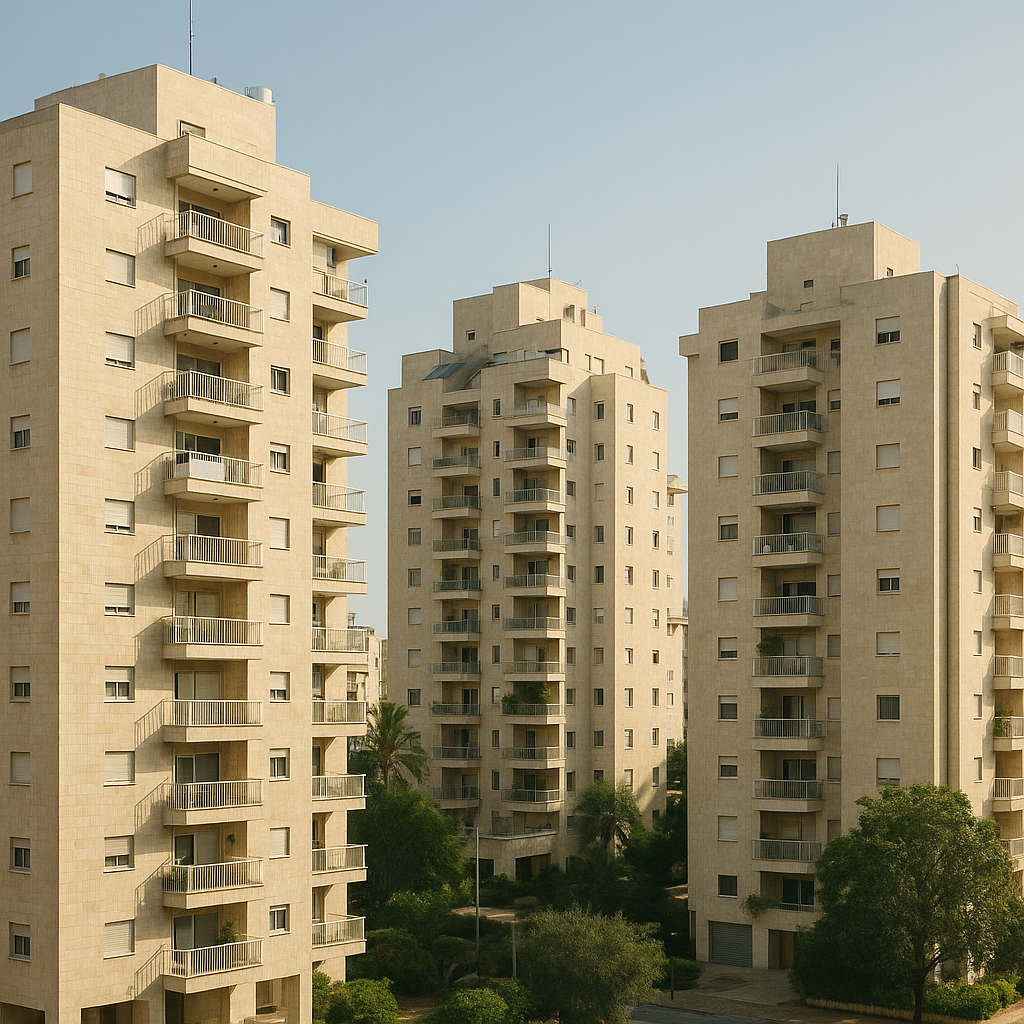
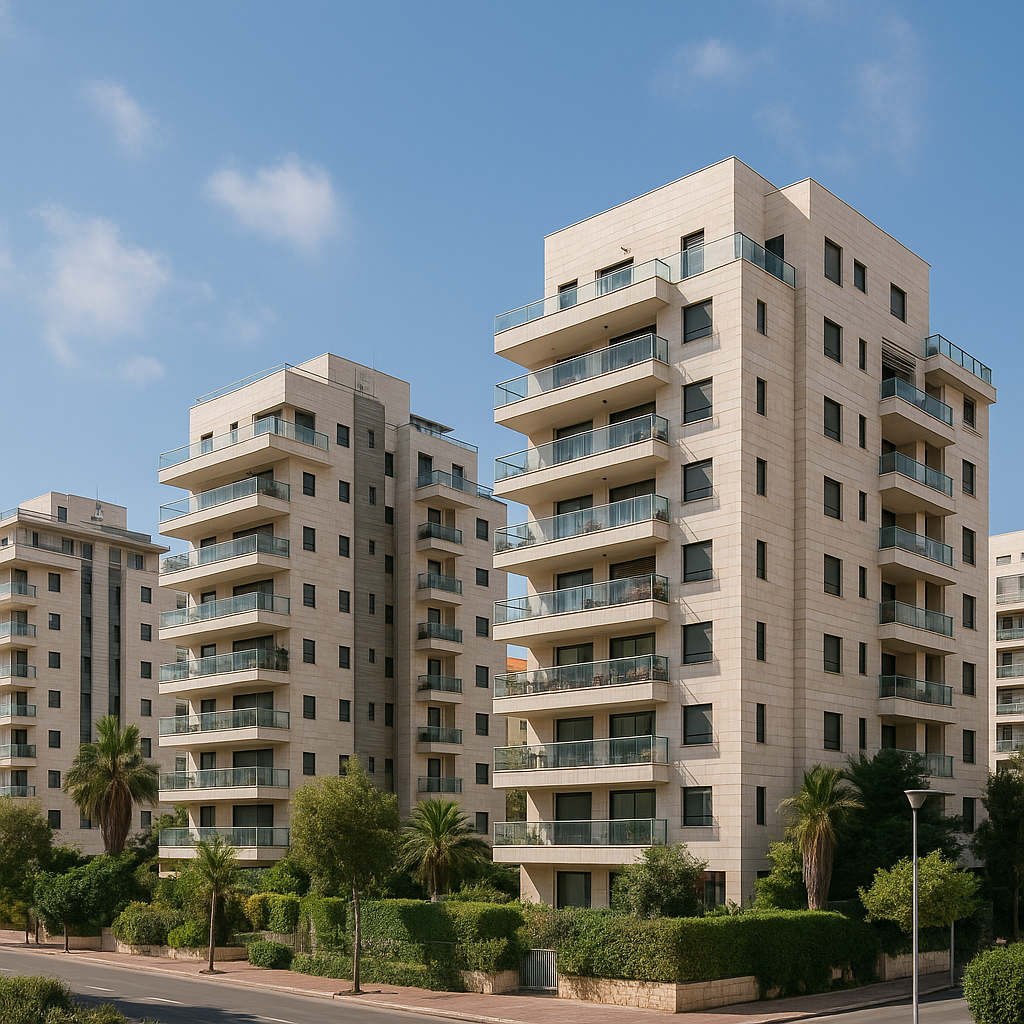
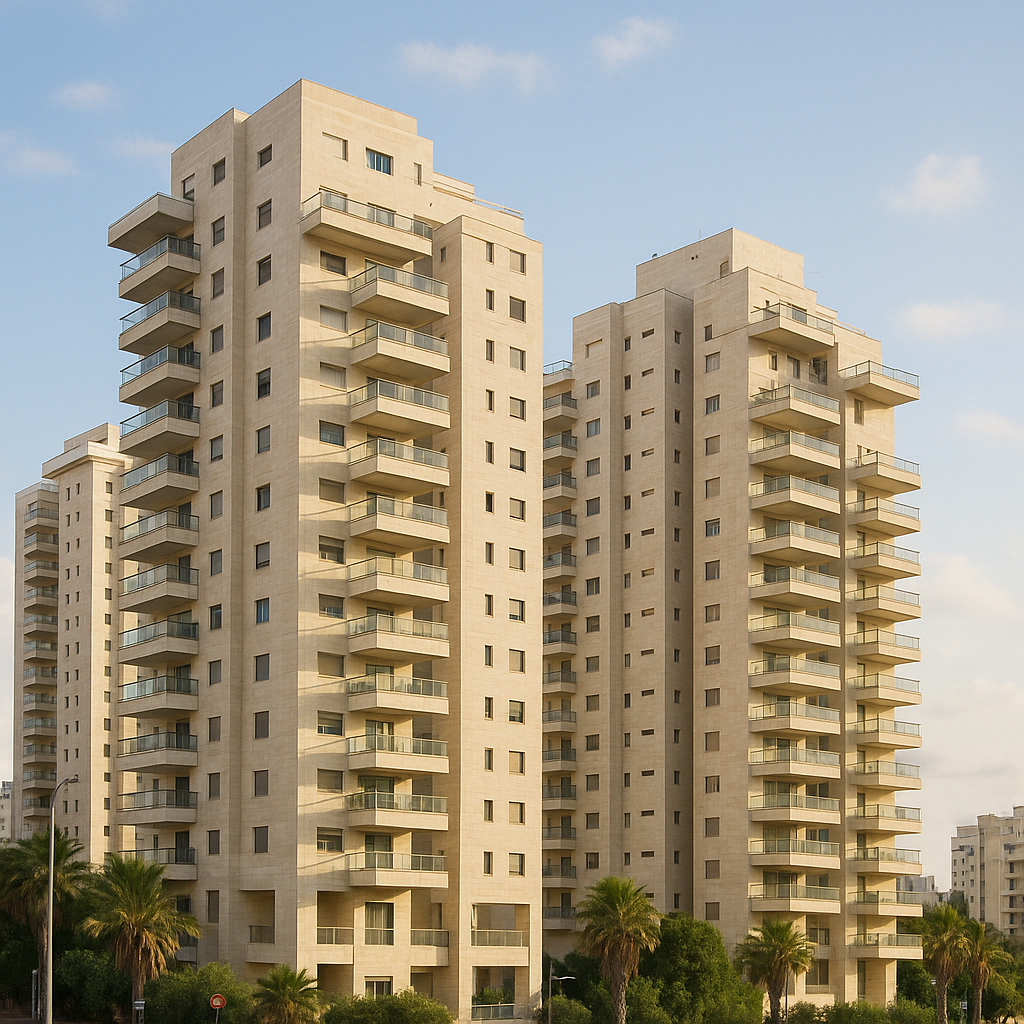
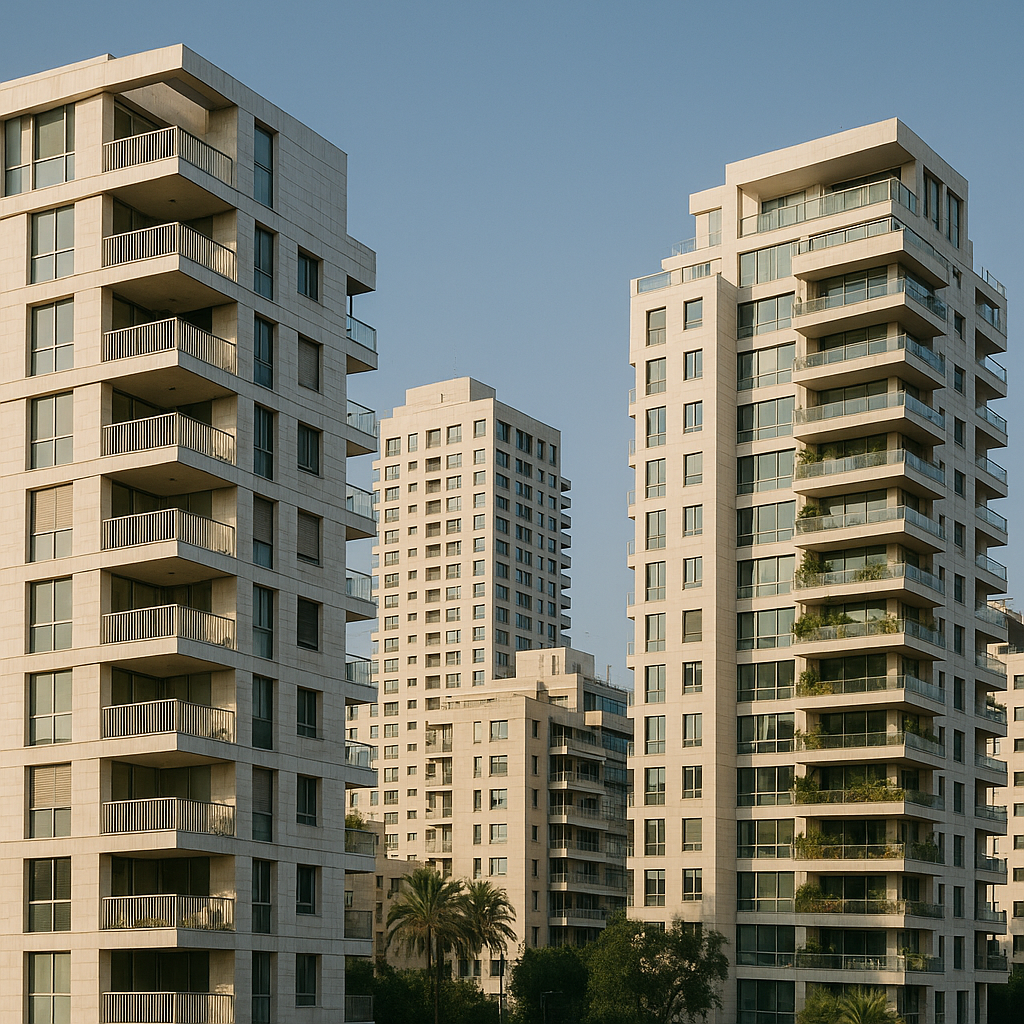
There has been some new construction in Talpiot in recent years, typically buildings of eight to twelve stories with modern amenities like elevators, parking, and better layouts. These newer buildings command premium prices for Talpiot, though they’re still significantly cheaper than comparable new construction in more prestigious neighborhoods. They attract a somewhat different demographic: younger couples and families, professionals seeking affordable housing near good highway access, and those priced out of other areas but wanting modern amenities.
The commercial infrastructure in Talpiot reflects the working-class character. There are no trendy cafés, no upscale restaurants, no boutique shops. Instead, you find practical, no-frills businesses serving local needs: small supermarkets with competitive prices, falafel stands and shawarma joints with generous portions and reasonable prices, bakeries, butchers, small groceries, pharmacies, hardware stores, and basic services. The industrial zone adds another commercial dimension, with large warehouse stores, wholesale suppliers, auto parts shops, building supply outlets, and businesses serving contractors and tradespeople rather than individual consumers.
One of Talpiot’s major commercial draws is the wholesale and warehouse shopping available in the industrial zone. Stores like Ace Hardware, Home Center, and various wholesale suppliers attract shoppers from across Jerusalem looking for better prices on furniture, appliances, building supplies, and household goods. The industrial area has become a destination for this kind of practical shopping, making Talpiot relevant to Jerusalemites who would never consider living there but find the commercial offerings useful.
There are also some interesting commercial developments trying to reimagine parts of the industrial zone. Old warehouses and factory spaces have been converted to offices for high-tech companies, media production studios, creative agencies, and service businesses. Some buildings now house restaurants and event spaces taking advantage of the large industrial spaces and relatively low rents. A few craft breweries and artisanal food producers have set up shop, attracted by affordable space and proximity to highways. This is a tentative, incomplete gentrification of the commercial sector, not remotely comparable to what’s happened in neighborhoods like the German Colony, but representing some evolution beyond pure industrial use.
Education in Talpiot is practical rather than prestigious. The public schools serving the neighborhood are adequate but not among Jerusalem’s elite institutions. They’re working-class schools serving primarily Mizrahi populations, with all the challenges that implies in a country where Mizrahi students have historically faced educational disadvantages. The schools work hard but lack the resources, parental involvement, and cultural capital of schools in wealthier neighborhoods. Academic achievement is lower on average, though individual students certainly succeed. For families prioritizing education, this is one of Talpiot’s significant drawbacks compared to neighborhoods like Rehavia with Gymnasia Rehavia or Baka with access to top religious schools.
There are both secular and religious schools serving Talpiot, reflecting the mixed religious character. Some schools have specifically Sephardic religious orientation, teaching from that tradition rather than the Ashkenazi Orthodoxy dominant in many Jerusalem religious schools. There are also several Haredi schools serving the ultra-Orthodox pockets within and near Talpiot.
For preschool, there are numerous gannim, both municipal and private, serving working families who need full-day care. The quality varies, and many are basic rather than the enriched, bilingual, expensive programs you find in wealthier neighborhoods. But they serve their purpose, providing safe care for young children while parents work.
Synagogues in Talpiot reflect the diverse religious population. There are traditional Sephardic synagogues serving Mizrahi communities, with prayer customs and melodies from Iraq, Morocco, Yemen, and other Middle Eastern countries. There are also Ashkenazi Orthodox synagogues, some Haredi shuls, and various smaller congregations. The religious life is less centralized than in neighborhoods with dominant mega-synagogues, instead featuring numerous small shuls serving particular communities and traditions.
The atmosphere on Shabbat in Talpiot is mixed. The religious and traditional families observe Shabbat, walking to synagogue, refraining from driving, hosting family meals. The secular families often treat it like a weekend day, with some driving, shopping where available, and engaging in normal weekend activities. The neighborhood doesn’t have the enforced Shabbat quiet of religious neighborhoods or the respectful secular Shabbat culture of Rehavia. It’s more of a patchwork, with different families and different streets observing differently.
Transportation is one of Talpiot’s practical advantages. The neighborhood has good bus connections to various parts of Jerusalem, including the city center, other neighborhoods, and major employment centers. Multiple bus lines run through or near Talpiot, and service is generally reliable during weekdays. The proximity to major highways, particularly Highway One heading toward the Dead Sea and Highway Sixty toward Gush Etzion, makes Talpiot convenient for those with cars. This highway access is particularly valuable for those commuting to other areas for work or those whose work involves travel around the region.
For those commuting to Tel Aviv, Talpiot is not ideal. The distance to the train station and the need to cross the city to reach it make the commute lengthy and challenging. Most Talpiot residents work in Jerusalem itself, taking advantage of the diverse employment opportunities the capital offers, from government positions to service sector jobs to work in the industrial zones.
Parking in Talpiot is generally manageable, especially compared to central neighborhoods. Most buildings have some parking, either in small lots or designated spaces, and street parking is usually available. This is a practical advantage for working families who need cars for work, shopping, and daily life. The lack of parking nightmares is one of the small but real quality-of-life improvements Talpiot offers over more congested neighborhoods.
The social scene in Talpiot is community-oriented but less structured than in wealthier neighborhoods. Social life often centers on extended family, with Mizrahi culture’s emphasis on family connections meaning that grandparents, aunts, uncles, and cousins play major roles in daily life. Religious and traditional families have social networks through synagogue and community institutions. Secular families socialize through work, schools, and personal friendships.
There’s less of the organized social infrastructure you find in Anglo neighborhoods, fewer formal book clubs or organized activities, more informal gatherings and family-centered socializing. The Mizrahi cultural influence means that hospitality is important, with generous hosting of meals and gatherings, but this happens in homes and family settings rather than in cafés and restaurants.
For children, after-school activities are available but more limited and more basic than in wealthier neighborhoods. There are sports programs, some music and arts activities, youth movements, and summer camps, but fewer options and less expensive enrichment programs than in places like Rehavia or Baka. Many families simply cannot afford the extensive after-school programming that’s standard in wealthier areas.
Parks and public spaces in Talpiot are adequate but not exceptional. There are local parks with playgrounds, some green spaces, and the dramatic views eastward toward the desert provide a certain natural beauty. But the neighborhood lacks the extensive gardens and cultivated green spaces of areas like Rehavia. The promenade along the southern edge of Talpiot offers spectacular views and is popular for walking, jogging, and cycling, providing a real amenity that draws people from across Jerusalem.
The atmosphere in Talpiot is decidedly working-class and functional. The streets are busy with traffic, including heavy trucks serving the industrial zone. The architecture is utilitarian and often shabby. There’s noise from industry, from traffic, from dense urban living. The general aesthetic is far from beautiful, with none of the charm of gentrified neighborhoods or the cultivated elegance of planned communities. This is Jerusalem at its most practical and least romantic.
Yet there’s authenticity here that’s increasingly rare in a city where gentrification has transformed so many neighborhoods. Talpiot is where working Jerusalemites live, where families struggle to make ends meet, where immigrant absorption continues not as historical memory but as current reality with recent Ethiopian and other immigrants. The Mizrahi culture, often marginalized in Ashkenazi-dominated Israel, is dominant and visible. The traditional shops, the Sephardic synagogues, the family structures, the cultural practices all reflect a different Israel than the one portrayed in glossy tourist materials or embodied in elite neighborhoods.
The challenges facing Talpiot are significant and longstanding. Economic hardship affects many families, with unemployment and underemployment higher than in wealthier neighborhoods. Educational achievement lags, perpetuating cycles of limited opportunity. The industrial character, while providing jobs, also creates environmental concerns with noise, air pollution from trucks and factories, and an overall quality of life that’s compromised compared to purely residential neighborhoods.
The building stock continues to age and deteriorate, with insufficient investment in maintenance and renovation. The public spaces and infrastructure need attention that limited municipal budgets often don’t provide. Crime rates, while not extreme, are higher than in wealthier neighborhoods, and social problems including poverty, addiction, and family dysfunction exist at levels that wealthier areas don’t experience.
The gentrification pressure that’s transformed other neighborhoods has touched Talpiot only lightly. The industrial character, the distance from the city center and cultural amenities, the working-class reputation, and the lack of the architectural charm that drives gentrification elsewhere have protected Talpiot from the dramatic transformation seen in places like Katamon. This is both positive, allowing working-class families to remain, and negative, as it means the neighborhood continues to struggle without the investment and improvement that gentrification, problematic as it is, does bring.
There have been proposals and plans over the years to redevelop parts of Talpiot, particularly the industrial zones. Some envision converting old industrial spaces to residential lofts, creating mixed-use developments, attracting high-tech companies and creative industries. Some of this has happened in small ways, with individual buildings converted or new uses finding homes in old industrial spaces. But comprehensive transformation remains elusive, and Talpiot continues much as it has for decades.
For those considering Talpiot, the calculation is quite different than for prestigious neighborhoods. You’re not choosing Talpiot for cultural amenities, architectural beauty, educational prestige, or social status. You’re choosing it because it’s affordable, because the space is better than what you could afford elsewhere, because the highway access serves your needs, because you work in the industrial zone, or because you simply can’t afford alternatives.
But there are real advantages beyond affordability. The community, particularly in the Mizrahi and traditional sectors, can be warm and supportive. The location offers spectacular views and decent access to various parts of the city. The practical commercial infrastructure serves daily needs efficiently. The lack of pretension and the diversity of the population create an authenticity that can be refreshing compared to more homogeneous, status-conscious neighborhoods.
Walking through Talpiot today, you see Jerusalem’s complexity laid bare. You see elderly immigrants who’ve lived in the same apartment for sixty years, struggling on small pensions, watching their neighborhood slowly change around them. You see young Ethiopian families navigating absorption and integration. You see working-class Mizrahi families maintaining traditions and raising children in modest circumstances. You see small businesses struggling to survive, industrial enterprises adapting to changing economic realities, and attempts at renewal and redevelopment existing alongside decline and stagnation.
You see the old apartment blocks, shabby and worn, housing people living paycheck to paycheck, and you understand that this is how most people actually live, not in renovated Templar houses or elegant Bauhaus apartments but in basic, functional housing that provides shelter without pretension. You see the industrial zone, unglamorous and often ugly, and you understand that this is where the actual work of making things and moving goods happens, the economic foundation that supports the city’s more visible cultural and intellectual life.
Talpiot reminds you that Jerusalem is not just the Old City and Western Wall, not just trendy Emek Refaim cafés and Hebrew University intellectuals, not just political capitals and religious pilgrimage. Jerusalem is also working people doing ordinary jobs, living in ordinary housing, struggling with ordinary problems of paying rent and raising children and making ends meet. It’s industrial zones and warehouse stores, aging apartment blocks and practical shopping. It’s Mizrahi culture maintaining itself against Ashkenazi cultural dominance, it’s immigrant absorption continuing decades after the state’s founding, it’s the unglamorous reality behind the holy city’s romantic image.
For all its challenges and limitations, for all its lack of charm and prestige, Talpiot serves a crucial function in Jerusalem. It provides affordable housing in a city with a severe housing crisis. It offers industrial and commercial space for businesses that create jobs and economic activity. It absorbs immigrants and provides community for populations often marginalized elsewhere. It reminds those living in gentrified luxury that their Jerusalem is not the only Jerusalem, that privilege and prestige are not distributed equally, that the holy city contains multitudes.
Whether Talpiot will remain this way or whether it too will eventually succumb to gentrification and transformation remains to be seen. The forces driving change in Jerusalem are powerful: rising real estate values, changing demographics, economic development, the constant pressure to maximize land use in a city where space is limited and demand is intense. But for now, Talpiot endures as it has for decades, working-class, functional, unglamorous, and absolutely essential to understanding the real Jerusalem beyond the myths and the marketing.