A Guide To Anglo Communities In Ramat Beith Shemesh
Anglo Communities In Ramat Beith Shemesh
I want to give you a really honest picture of what it’s like living in Ramat Beit Shemesh as an English-speaking immigrant, because this place is complicated in ways that surprise a lot of people.
First thing you need to understand: when Anglos talk about Ramat Beit Shemesh, or RBS, they’re not really talking about one place. This is fundamentally several distinct communities that happen to exist near each other geographically, but often with minimal interaction and sometimes real tension between them. The city has about 130,000 people total, located about 30 kilometers west of Jerusalem in the Judean lowlands, but the Ramat neighborhoods where most Anglos live are really the story here.
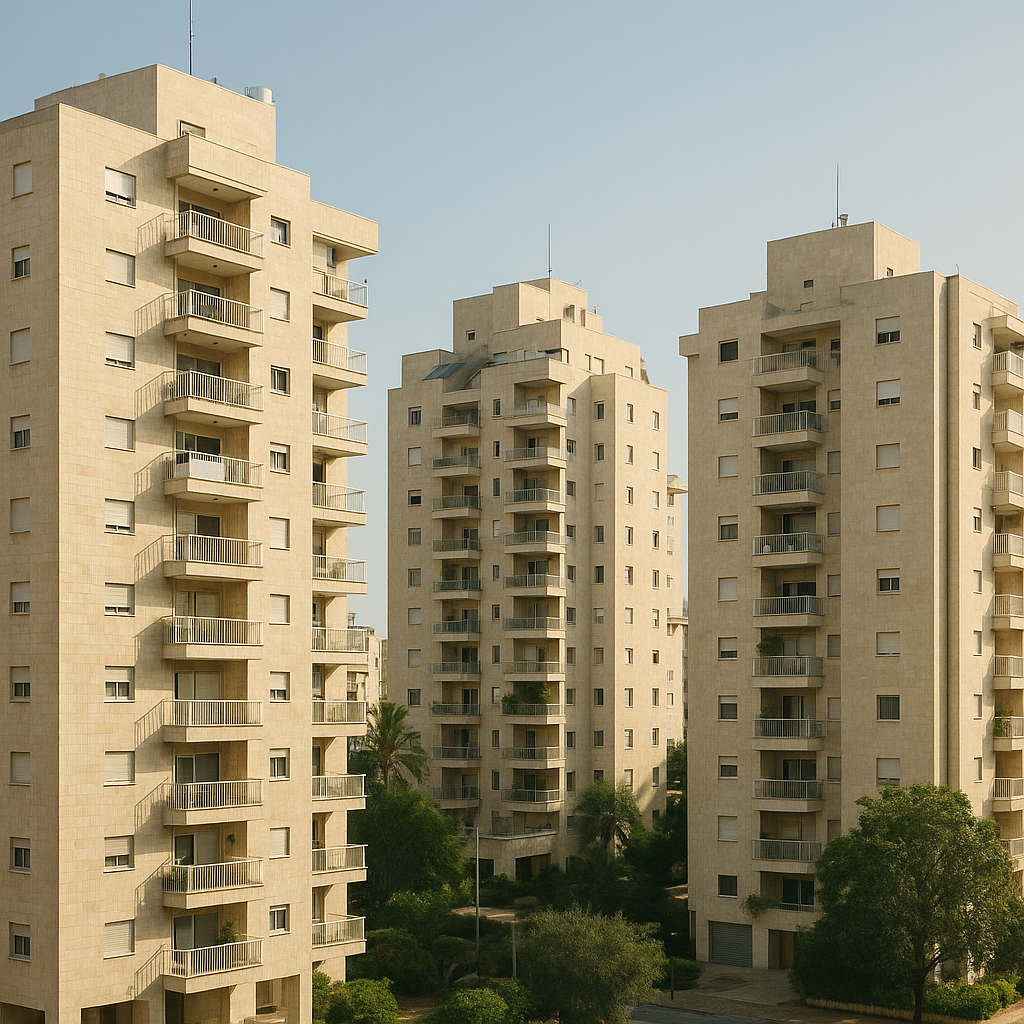
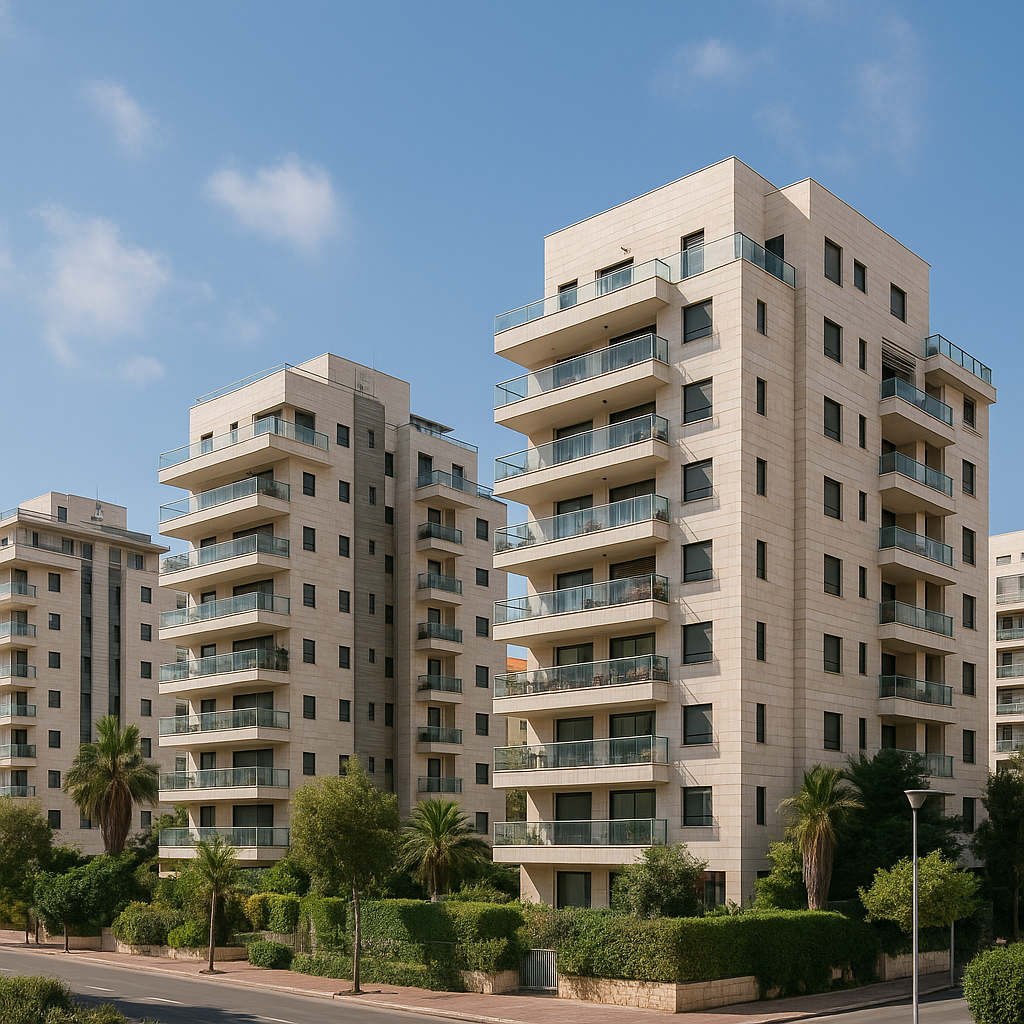
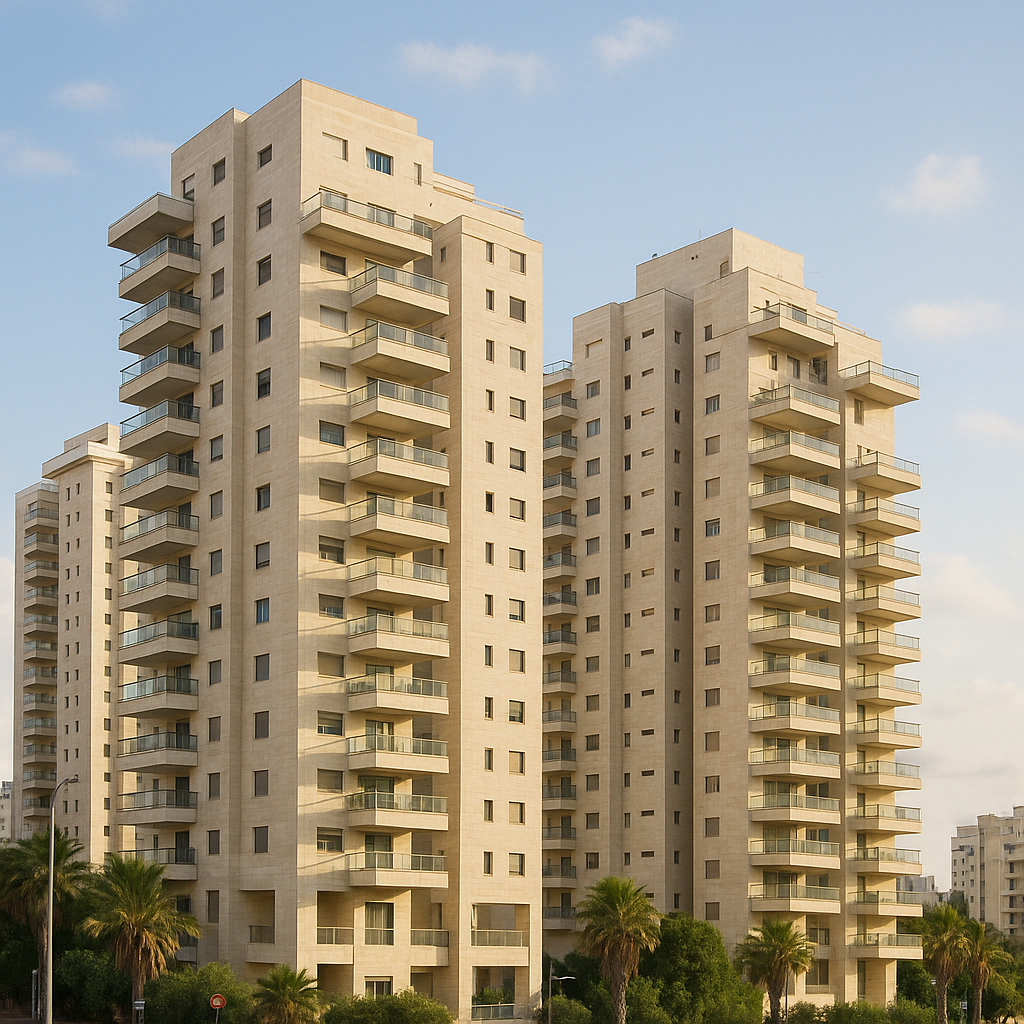
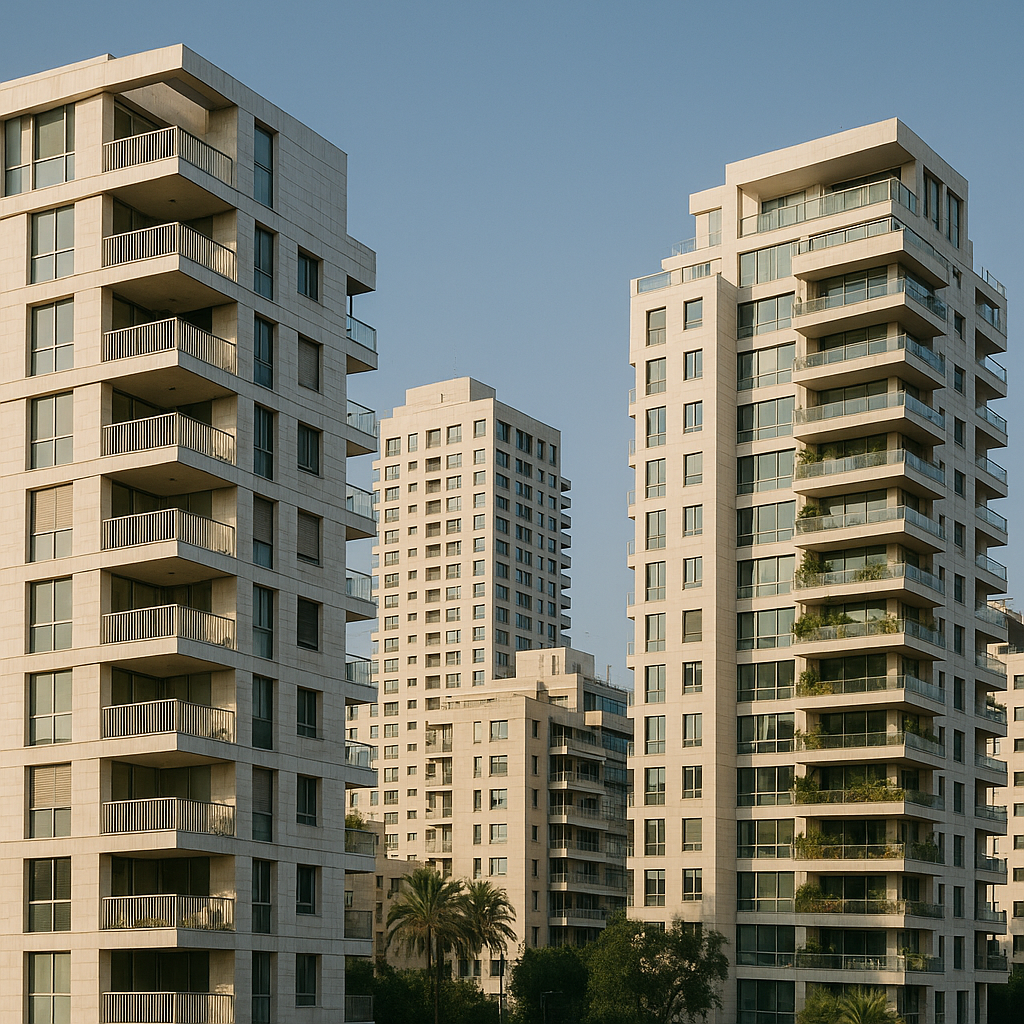
There’s RBS Alef, the original development from the 1990s, which started as mixed Modern Orthodox and Haredi but has become increasingly ultra-Orthodox over time. Then RBS Bet, built in the 2000s, which is predominantly Haredi with intense religious stringency and has been the source of most negative media coverage. RBS Gimmel is the newer neighborhood from the 2010s, intentionally planned for Modern Orthodox and Religious Zionist families, and this is where you’ll find the highest concentration of Anglos, sometimes reaching 40 to 50 percent in certain areas. Then there are even newer developments, RBS Daled and Hey, still being built. Understanding which specific neighborhood we’re discussing is absolutely critical because they appeal to completely different populations.
The Anglo community here is substantial, probably 15,000 to 20,000 English speakers out of maybe 70,000 to 80,000 people in the Ramat neighborhoods overall. But here’s what makes RBS different from a place like Modi’in: these Anglos are deeply divided along religious observance lines. In RBS Gimmel, you’ve got primarily Modern Orthodox, Religious Zionist families, mostly from North America, college-educated professionals working in Jerusalem or Tel Aviv. These are families with typically three to five children who celebrate Israeli Independence Day, serve in the army, and maintain Zionist ideology while keeping a religious lifestyle. They value secular education alongside Torah learning, have internet in their homes, and engage with broader culture to some degree.
In RBS Bet, the Anglo population is predominantly Haredi or ultra-Orthodox, a mix of people born into that world and baalei teshuva, newly religious Jews. Here the emphasis is on Torah learning over secular education, with men often in kollel studying full-time. Families commonly have six to twelve children, live more insular lives, and integrate less with broader Israeli society. RBS Alef sits somewhere in between, with a mixed population experiencing demographic pressure as it becomes more Haredi over time.
Now let’s talk about why people choose RBS despite its complexities, and it really comes down to one word: affordability. This is RBS’s defining selling point. A four-bedroom apartment in RBS Gimmel runs you about 2.8 to 4 million shekels, maybe 800,000 to 1.15 million dollars. Compare that to Modi’in where you’re paying 30 to 40 percent more, Jerusalem’s Baka where it’s 40 to 50 percent more, or Herzliya where it’s 50 to 60 percent more expensive. For Orthodox families, especially those with multiple children, this price difference is enormous. It’s the difference between owning a home or renting forever. RBS offers Orthodox infrastructure, kosher food, religious schools, Anglo community, all at prices that make home ownership actually possible for middle-class families.
The commute situation is important to understand. Most professionals in RBS work in Jerusalem, and that commute is actually pretty manageable. By car it’s 25 to 35 minutes in normal traffic, maybe 40 to 60 during rush hour. Buses run frequently, taking 35 to 50 minutes. Door to door you’re typically looking at 45 to 75 minutes, which is significantly better than commuting from Modi’in to Jerusalem and far better than Modi’in to Tel Aviv. For Jerusalem workers, RBS offers real value. But Tel Aviv? That’s 50 to 70 minutes minimum, often 90 plus during rush hour. The commute to Tel Aviv is brutal for daily travel. So RBS makes sense primarily for families working in Jerusalem, not Tel Aviv.
Schools are both a strength and a complexity here. In RBS Gimmel, the Modern Orthodox schools are solid. Places like Orot Etzion for girls and Orot Yehuda for boys provide good religious and secular education, prepare students for matriculation exams, and position kids for university and army service. These schools have 25 to 40 percent Anglo populations, so your kids will have plenty of English-speaking friends. They’re good schools, comparable to good religious schools in America, but they’re not elite. They don’t have the prestige of Jerusalem’s top institutions. Many families actually send their kids to Jerusalem for high school, which is a 30 to 45 minute bus ride and pretty common and manageable. In RBS Bet, the Haredi schools focus extensively on Torah learning with minimal secular studies, which is either exactly what you want or completely unacceptable depending on your values and educational philosophy.
The religious atmosphere varies dramatically by neighborhood. RBS Gimmel has a Modern Orthodox, Religious Zionist feel. Everyone’s Shabbat observant, keeps kosher, women cover their hair, but there’s also college education valued, internet in homes, engagement with secular culture. People celebrate Israeli holidays, serve in the army or national service, and the synagogues range across the Modern Orthodox spectrum with plenty of Anglo minyanim and English-speaking rabbis. It’s a comfortable religious environment without extremism. RBS Bet is strictly Haredi with minimal secular education or culture, gender separation in public spaces, strong modest dress expectations enforced socially, Torah learning prioritized over work, and less engagement with broader Israeli society. Some areas have had tznius patrols or social pressure around modesty.
I need to be honest about the most challenging aspect of RBS: the city has experienced significant internal conflict, particularly over the past 10 to 15 years. The city was initially planned as a Modern Orthodox community, but affordable housing attracted Haredi families, leading to a demographic shift and tensions over public space use, modesty standards, and municipal resources. There were attempts at bus segregation, incidents of modesty patrols harassing women, vandalism of girls’ schools by extremists, and ongoing political battles. This created a serious reputation problem. The situation has improved significantly from the worst period around 2010 to 2015, and RBS Gimmel’s creation helped by providing geographic separation. Most residents, including most Haredi residents, disapprove of extremism. But the reputation lingers.
Does this affect daily life? For families in RBS Gimmel, mostly no. It’s a separate, insulated area where people live peacefully. The daily rhythm there is very family-focused: mornings rushing kids to school, fathers heading to Jerusalem for work, mothers managing households or working, often from home. Afternoons are children at playgrounds, kids at activities, a bustling family atmosphere. Shabbat is genuinely beautiful in RBS Gimmel. The entire neighborhood shuts down, everyone walks to synagogue dressed in Shabbat clothes, streets filled with families, massive hospitality culture with constant Shabbat meal invitations, peaceful atmosphere. It feels like an American Orthodox community transplanted to Israel.
The Anglo community infrastructure here is impressive. There’s massive Shabbat hospitality where newcomers immediately get invited for meals. There are gemachs, free loan societies for everything imaginable. Babysitting co-ops, carpool networks, WhatsApp groups for every conceivable purpose, second-hand goods exchanges which are crucial for large families on budgets. The community character is warm, welcoming, and genuinely supportive. People help each other with rides, babysitting, meal trains when someone’s sick, job connections. But it’s also quite insular. Many families socialize primarily with other Anglos, function largely in English, and don’t integrate deeply into broader Israeli society.
Economically, RBS attracts families across the spectrum but many are not wealthy. The affordable housing allows families with four to six or more children to own apartments on middle-class incomes. For a typical family of six, you’re looking at a monthly budget of about 22,000 to 36,500 shekels, roughly 6,300 to 10,400 dollars. That’s lower than Modi’in or Jerusalem primarily due to housing savings. Many RBS families live on modest incomes, one salary supporting a large family or two part-time incomes. There’s less material wealth display than Modi’in or Herzliya, more of a modest lifestyle. The community infrastructure helps stretch budgets through sharing and mutual support.
For children, RBS offers a very safe environment where kids play freely in the streets, strong peer community with many kids the same age, and an excellent setting for an Orthodox childhood where everyone lives the same lifestyle. Shabbat and holidays are celebrated communally. Having five to seven or more children feels normal here rather than extreme, which is unusual even in Israel. The infrastructure genuinely supports large families with apartments sized for them, hand-me-down networks, carpooling systems, and schools accustomed to large family dynamics.
So who does RBS work for? It’s ideal for Modern Orthodox families seeking affordable religious community, especially those prioritizing religious environment over career advancement. Families comfortable with or planning larger families. Jerusalem workers wanting a shorter commute than Modi’in offers. People valuing community warmth over urban sophistication. Families on modest budgets who couldn’t afford Modi’in or Jerusalem. Those seeking a warm, supportive Anglo Orthodox community and who are comfortable with less integration into secular Israeli society.
Who doesn’t it work for? Secular or non-Orthodox families, obviously this is the wrong environment. Career-focused professionals prioritizing advancement. Tel Aviv workers facing that brutal commute. People seeking sophisticated urban culture or maximum Hebrew integration. Singles or young couples without kids since it’s so family-focused. Anyone bothered by social conformity pressure or put off by the city’s controversial reputation.
The bottom line is this: Ramat Beit Shemesh, particularly RBS Gimmel, is Israel’s affordable Orthodox Anglo option. It’s where religious families can buy homes, raise large families, maintain intensive Jewish life, and benefit from warm community support without the crushing housing costs of the alternatives. You get affordability, religious community, Anglo support, and large-family infrastructure. You give up sophistication, some career advancement opportunities, secular culture access, and you’re accepting a city with a complicated reputation and less integration into broader Israeli society.
Many families genuinely thrive here and love it. They’ve built beautiful Orthodox lives in a supportive community at prices that enabled home ownership and large families. The Shabbat atmosphere really is beautiful, children are happy, and the community warmth is real. But you need to accept what it is: a religious, family-focused, somewhat insular Anglo Orthodox suburb with a complicated past but potentially bright future, especially in the newer sections. It succeeds at its specific niche, and whether that niche matches your priorities determines if RBS is right for you.