A Guide To Anglo Communities In Modi'in
Anglo Communities In Modi'in
I want to give you the real story of what it’s like living in Modi’in as an English-speaking immigrant, because this city has become the default choice for so many Anglo families moving to Israel, and you need to understand why.
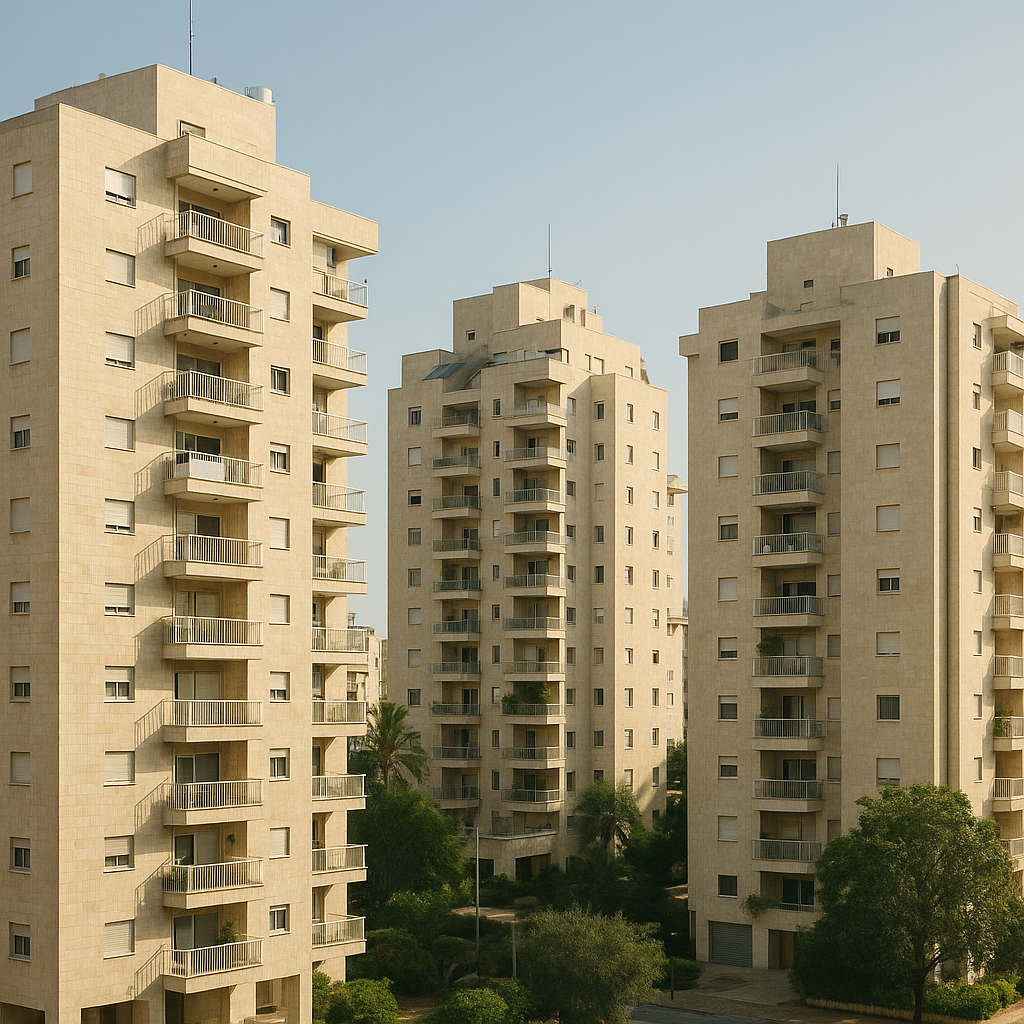
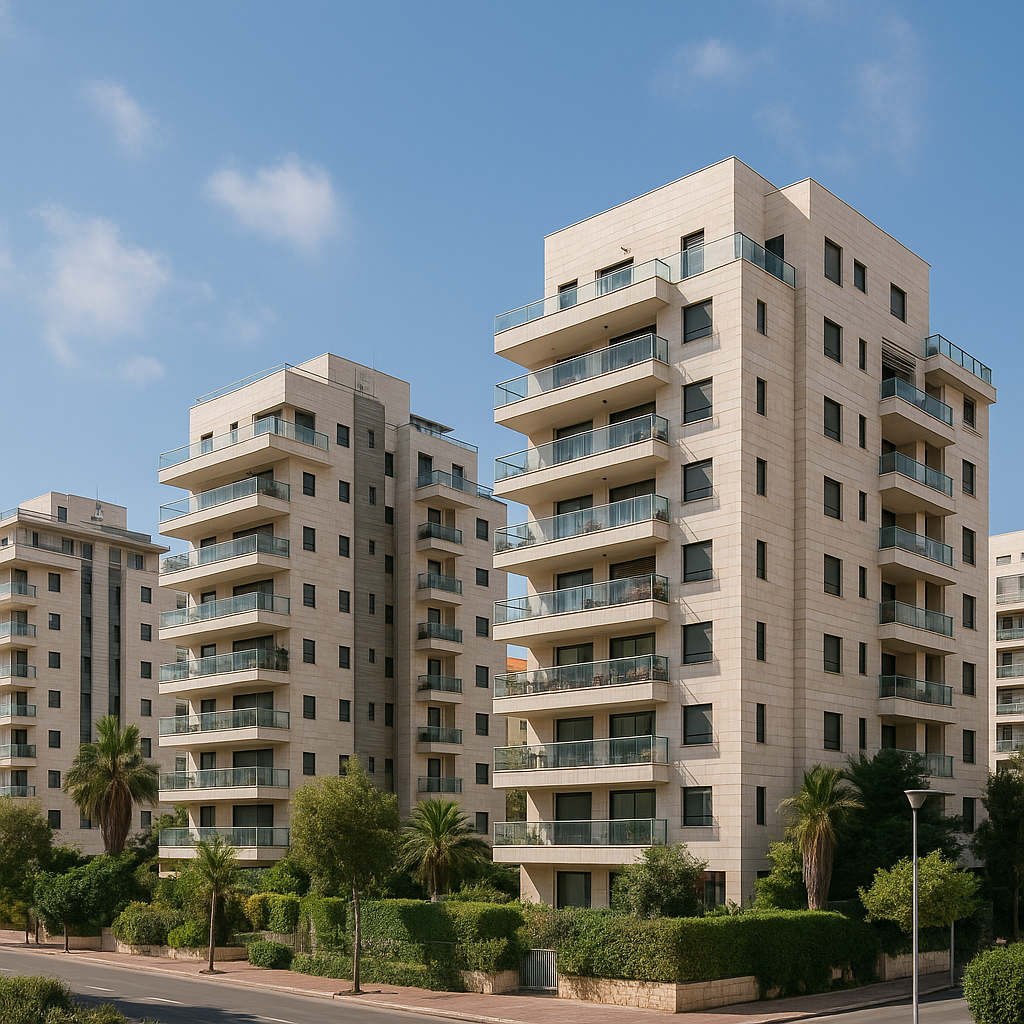
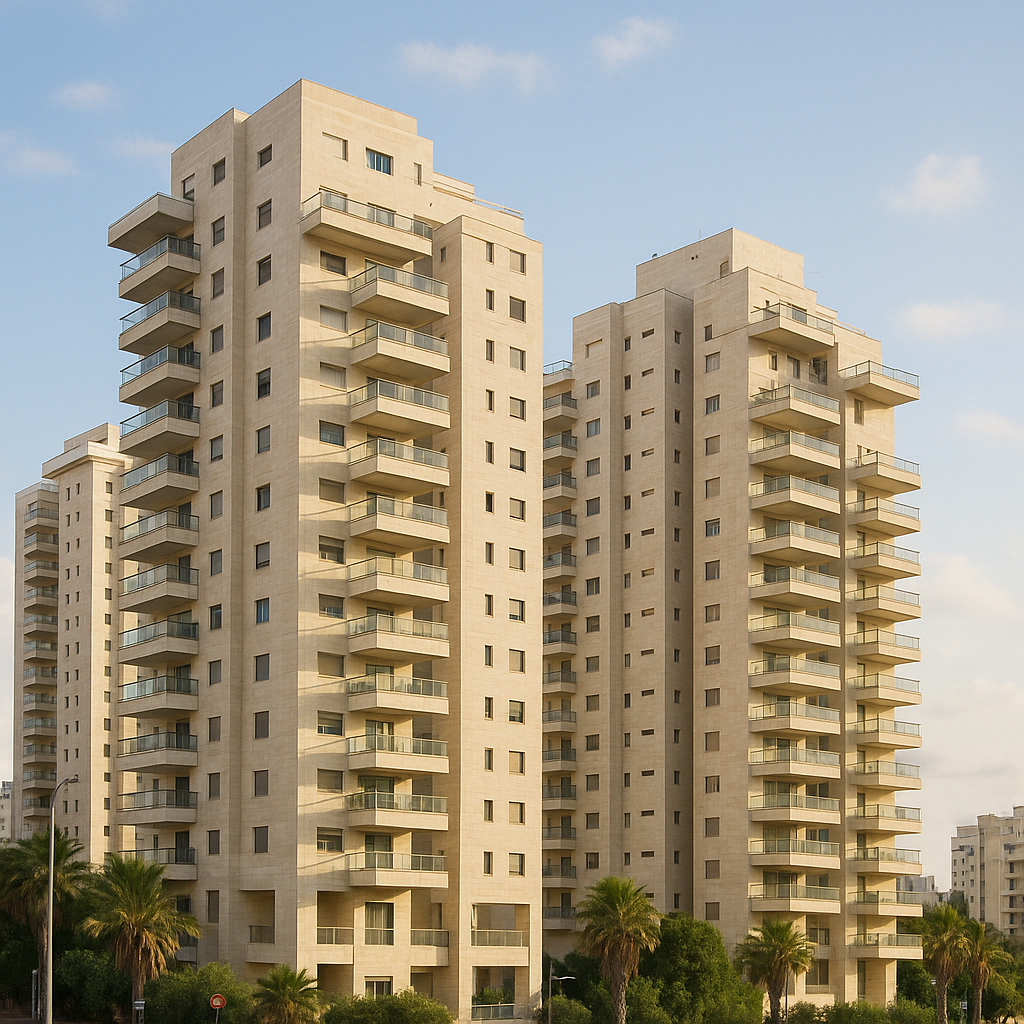
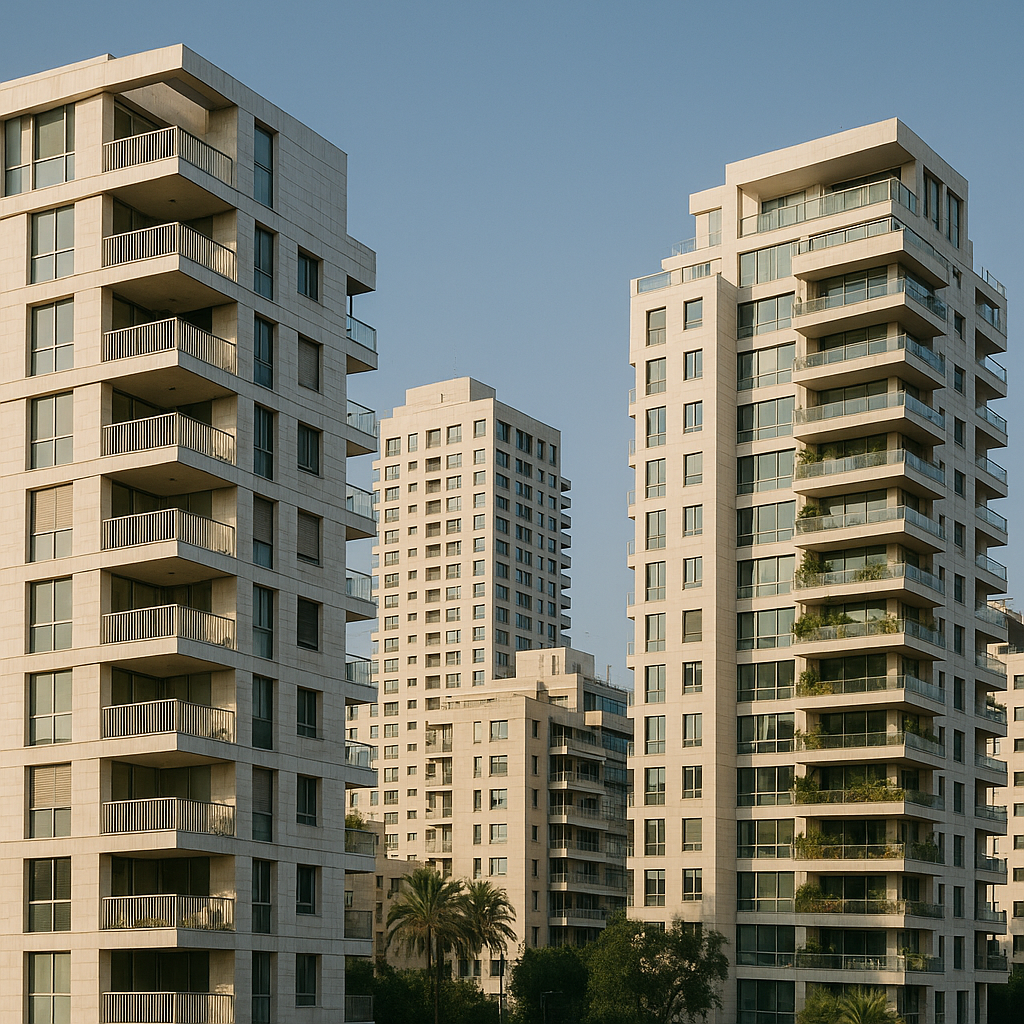
Modi’in is Israel’s purpose-built immigrant city, founded in 1993, one of the country’s newest with about 100,000 people. This isn’t Jerusalem with three thousand years of history or Tel Aviv with a century of organic growth, this is a city designed from scratch, master-planned like Columbia Maryland or Irvine California, wide boulevards, ample parking, green spaces, modern infrastructure, rational urban design, clean, organized, suburban, and honestly, somewhat sterile compared to Israel’s older cities.
Here’s what makes Modi’in completely unique: it has the highest concentration of Anglo immigrants of any Israeli city, we’re talking twenty to thirty percent of the entire population, with some neighborhoods hitting forty to fifty percent. This isn’t just a significant minority, in many areas Anglos are actually the majority. The city was marketed heavily to North American immigrants, Nefesh B’Nefesh brought organized aliyah groups, schools were designed with Anglo integration in mind, English-speaking doctors and dentists followed, and you got these network effects where Anglos moved where other Anglos already were.
Let me break down the neighborhoods for you: Buchman and Sheinfeld are the original areas, the veteran neighborhoods where the first wave settled in the late nineties and early 2000s, twenty-five to thirty-five percent Anglo. Park Anabe and Park HaMesila are central family neighborhoods with excellent parks and schools, thirty to forty percent Anglo, playgrounds everywhere, very active community life. Moriah is the hillside neighborhood with Modi’in’s nicest properties and views, twenty-five to thirty percent Anglo, attracts more affluent families. And then you’ve got the new neighborhoods, Azrieli, Tzafririm, Canion, expanding areas with newer construction, fifteen to thirty percent Anglo as they attract a mix of Israelis and immigrants. Unlike Jerusalem where Anglos concentrate in specific blocks of Baka, Modi’in’s Anglos are distributed throughout the city while maintaining high overall concentration, you literally cannot walk three blocks without hearing English.
Now let’s talk money because housing in Modi’in occupies the middle tier of Israeli costs, significantly more expensive than Netanya or peripheral cities but more affordable than Herzliya, Tel Aviv, or central Jerusalem. A three-bedroom apartment will run you three to four and a half million shekels, that’s eight fifty to thirteen hundred thousand dollars. Four bedrooms, four to five and a half million shekels, eleven hundred to sixteen hundred thousand dollars. Five-bedroom apartment or cottage, five to seven million, fourteen hundred to two million dollars. For perspective, that’s thirty to forty percent more expensive than Netanya, twenty to thirty percent less than Herzliya or central Tel Aviv, similar to or slightly less than Baka in Jerusalem. The rental market is active because many families rent for a year or two when they first make aliyah, testing Modi’in before committing to purchase, you’re looking at six to nine thousand shekels a month for three bedrooms, that’s seventeen hundred to twenty-six hundred dollars.
Here’s Modi’in’s greatest practical advantage and also its defining limitation: location. The city sits roughly equidistant from Tel Aviv and Jerusalem, about thirty kilometers from each. By car to Tel Aviv you’re looking at thirty to forty minutes in normal traffic, fifty to seventy in rush hour. By train from Modi’in Center or Modi’in Azrieli stations to Tel Aviv Center, thirty to thirty-five minutes, but door-to-door you’re realistically looking at sixty to ninety minutes typically. To Jerusalem it’s similar, thirty to forty minutes by car in normal traffic, fifty to seventy in rush hour, forty-five to sixty minutes by bus. Modi’in is marketed as offering convenient access to both cities but the truth is you’re commuting sixty to ninety minutes each way to either one, that’s two to three hours daily. This is manageable for some families, absolutely brutal for others. The calculus depends on how many days per week you need to be in office, whether your spouse works locally or also commutes, your tolerance for commute time, whether your salary justifies the time cost. Many Modi’in residents have negotiated two to three days in office rather than five days, or one spouse works remotely while the other commutes, the COVID era normalized this arrangement and made Modi’in significantly more viable.
Local employment exists but it’s limited, there’s a small high-tech sector, Checkpoint and others have offices, retail and service jobs, education and healthcare, some startups and small companies, but most professional jobs require commuting. This is where Modi’in truly distinguishes itself though, the schools. The schools were designed from the beginning with immigrant integration in mind. Most elementary schools have fifteen to forty percent Anglo students, creating natural peer support while ensuring Hebrew immersion. Popular schools include Atid, known for welcoming immigrants, Arazim, Rimon, Nitzanim, various others throughout neighborhoods. The system works brilliantly because Anglo kids aren’t isolated, they have English-speaking friends for emotional support, but they aren’t in a ghetto, they must learn Hebrew to function with the majority. Many schools have special ulpan programs and extra Hebrew support. Middle schools like Eshkol are very popular with Anglo families, maintaining twenty to thirty-five percent Anglo populations. High schools include Magen Shaul, a religious boys’ high school very popular with Anglo families, twenty-five to thirty-five percent Anglo, Amit Girls School, religious girls’ school twenty to thirty percent Anglo, Tichon Heletz secular high school with strong academics, and various other religious and secular options.
Quality assessment: Modi’in schools are good, solid, competent, well-resourced, but they’re not elite. They don’t have the reputation of Jerusalem’s Pelech or Tel Aviv’s top schools, they’re more comparable to good American suburban public schools, they do the job well, send kids to universities, but aren’t prestigious. For most families this is perfectly adequate. For families prioritizing educational excellence above all else, Jerusalem’s top schools might be preferable despite higher costs and religious intensity. But what Modi’in schools provide is this incredible infrastructure: Hebrew ulpan classes for new immigrants, English-speaking counselors who understand cultural adjustment, parent communities that welcome newcomers, social workers familiar with immigration challenges, staff who speak English and understand Anglo culture. This makes Modi’in uniquely immigrant-friendly compared to most Israeli cities.
Religiously, Modi’in is predominantly secular to traditional, about sixty percent secular or traditional, thirty percent Religious Zionist or Modern Orthodox, ten percent Haredi mostly in Modi’in Illit which is actually a separate ultra-Orthodox city adjacent to Modi’in, completely different municipality. The Anglo community specifically skews more religious than the general population, perhaps forty to fifty percent Modern Orthodox, forty percent traditional, ten percent secular. What this means practically is most businesses operate on Shabbat in commercial areas, public transportation runs on Shabbat with buses to Tel Aviv and Jerusalem, but many residential neighborhoods have strong Shabbat observance, multiple synagogues across the religious spectrum, kosher restaurants widely available, religious schools well-established. It’s comfortable for Modern Orthodox families without being overwhelming. For religious families Modi’in offers a middle path, more religious infrastructure than Tel Aviv or Herzliya but more pluralistic and less intense than Jerusalem. You can be openly observant without standing out but you’re not in a religious bubble. For secular families Modi’in works well too, the city doesn’t have Jerusalem’s religious pressure or expectations, you can live comfortably without keeping kosher or observing Shabbat, the secular schools are good and there’s no shortage of non-religious families.
The lifestyle, here’s what you need to understand: Modi’in feels more American than almost any Israeli city. Wide streets with actual parking, strip malls with large parking lots, chain stores, IKEA, Ace Hardware, Home Depot equivalents, big-box retailers, drive-through coffee shops, it’s suburban America transplanted to Israel. This is either comforting or disappointing depending on what you wanted from aliyah. If you’re seeking the exotic mystery of ancient Jerusalem or the urban buzz of Tel Aviv, Modi’in will feel bland. If you want familiar suburban comfort while living in Israel, it’s perfect. The daily rhythm is mornings see parents dropping kids at school, many walk or bike because the city is very child-friendly, commuters heading to train stations or driving to Tel Aviv or Jerusalem. Afternoons are family-focused, kids at playgrounds, parents at cafés with babies, joggers and cyclists on the extensive bike paths, the city has abundant parks and green spaces which is rare in Israel. Evenings are quieter than Jerusalem or Tel Aviv, some restaurants and cafés but Modi’in isn’t a nightlife city, it’s early to bed, early to rise, family-oriented, suburban living.
Here’s where Modi’in truly excels: the support system for English-speaking immigrants is unmatched in Israel. Nefesh B’Nefesh runs extensive programming, AACI Modi’in chapter very active with events, lectures, trips, British Olim Society presence, South African groups because there’s a large South African Anglo community, multiple synagogues with Anglo populations and English speakers, English-speaking professionals, doctors, dentists, lawyers, accountants who specifically serve the Anglo community. The social infrastructure is incredible: Shabbat hospitality is incredibly strong, newcomers are routinely invited for meals, mom groups and playgroups for parents with young children, sports leagues, softball, basketball with Anglo participation, book clubs, running clubs, hiking groups, holiday events and celebrations organized by community, WhatsApp groups for every neighborhood, school, and interest, Facebook groups connecting Modi’in Anglos. Modi’in has formalized systems to help new immigrants: veteran families matched with newcomers as mentors, school integration coordinators, government bureaucracy help with arnona, insurance, banking, job search networking, Hebrew tutoring connections, everything a new immigrant needs. This level of support is simply unavailable in most Israeli cities and it dramatically eases the difficult first year of adjustment.
But here’s the critical tension: Modi’in makes it extraordinarily easy to live in an Anglo bubble. You can socialize primarily with other Anglos, send kids to schools with high Anglo populations, shop at stores where staff speak English, see English-speaking doctors, attend English-speaking synagogues, function largely in English despite living in Israel. Some people live in Modi’in for five to ten years without achieving real Hebrew fluency or deep integration into Israeli culture, they’re living in an English-speaking suburb that happens to be located in Israel. The debate: pro-bubble people say it provides crucial support during adjustment, reduces stress, allows families to maintain careers while integrating gradually, gives kids peer support. Anti-bubble people say it prevents true integration, creates insular community, defeats the purpose of aliyah, raises children who are culturally American despite Israeli citizenship. Each family must decide where they stand, some intentionally seek Israeli friends and Hebrew immersion, others embrace the bubble, most find some middle ground. What’s interesting is children typically integrate faster than parents, even in schools with thirty to forty percent Anglo students, children become fluent in Hebrew, absorb Israeli culture, make both Anglo and Israeli friends, develop Israeli identities, by second generation they’re fully Israeli even if raised in Modi’in’s Anglo environment.
Monthly budget for a family of four: housing mortgage or rent eight to twelve thousand shekels, food and groceries forty-five hundred to sixty-five hundred, transportation because a car is essential, fuel, insurance, three to four thousand shekels, higher due to commuting, utilities fifteen hundred to two thousand, healthcare beyond basic twelve hundred to two thousand, children’s activities and camps twenty-five hundred to forty-five hundred, dining and entertainment two to thirty-five hundred, miscellaneous twenty-five hundred to four thousand. Total you’re looking at twenty-five to thirty-nine thousand shekels a month, that’s seventy-one hundred to eleven thousand one hundred dollars. This is middle-tier for Israel, more expensive than Netanya, less than Herzliya, similar to central Jerusalem. Required household income: minimum comfortable living thirty to thirty-five thousand shekels a month gross, that’s eight thousand five hundred to ten thousand dollars. Better lifestyle forty-five to sixty thousand shekels a month gross, twelve thousand eight hundred to seventeen thousand dollars. Upper-middle class seventy to one hundred thousand shekels a month gross, twenty to twenty-eight thousand dollars. Modi’in is solidly middle to upper-middle class, you need decent professional income but not the executive salaries required for Herzliya.
Who does Modi’in work for? Ideal candidates are families with children seeking immigrant support, Anglos wanting strong English-speaking community, those working in Tel Aviv or Jerusalem willing to commute, remote workers or hybrid arrangements, middle to upper-middle class professionals, people valuing suburban comfort over urban excitement, those seeking balance between Israeli life and familiar American-style infrastructure, families prioritizing safety, parks, and child-friendly environment. Modi’in self-selects for certain demographics, the typical Modi’in Anglo family is thirties to forties with two to four children, college-educated professionals, middle to upper-middle class income, religious spectrum from traditional to Modern Orthodox, prioritizing community and support over career maximization or urban culture.
Who doesn’t Modi’in work for? Poor fit for young singles or couples without kids because it’s too suburban and family-focused, those seeking authentic Israeli cultural experience because it’s too American, people unwilling to commute sixty to ninety minutes, those prioritizing career advancement in a single city, highly secular people uncomfortable with religious presence, culture-seekers wanting urban vibrancy, those who can’t afford middle-class lifestyle, people valuing walkability and public transit over car-dependency, anyone who finds suburban strip-mall aesthetic depressing.
Let me give you some comparisons: Modi’in versus Ra’anana, both are affluent Anglo suburbs, Ra’anana is slightly more expensive, has even larger Anglo percentage, twenty-five to thirty percent, slightly better schools, closer to Tel Aviv with shorter commute, feels more established. Modi’in is newer, more planned, has better Jerusalem access. Modi’in versus Jerusalem: Jerusalem offers spiritual depth, historical significance, religious infrastructure, cultural richness, no commute if working there. Modi’in offers suburban comfort, easier lifestyle, modern infrastructure, better Tel Aviv access. Jerusalem feels meaningful, Modi’in feels comfortable. Jerusalem is for those prioritizing Jewish life, Modi’in for those prioritizing family ease. Modi’in versus Tel Aviv: Tel Aviv offers urban energy, culture, walkability, nightlife, career opportunities, cosmopolitan vibe. Modi’in offers space, safety, parks, family focus, Anglo community. Tel Aviv is for young professionals and culture-seekers, Modi’in for families with kids, completely different lifestyles.
Here’s the bottom line: Modi’in is Israel’s mainstream Anglo immigrant city, it’s where English-speaking families go when they want a comfortable, supportive, family-friendly environment without extreme religious intensity, without urban chaos, without isolation from other Anglos, and with access to both Tel Aviv and Jerusalem. It’s not exciting, it’s not exotic, it won’t give you that feeling of I can’t believe I live in Israel that Jerusalem’s Old City views or Tel Aviv’s Mediterranean beach culture provide, it’s suburban, planned, somewhat sterile, and remarkably similar to American suburbs. But it works. For thousands of Anglo families Modi’in delivers exactly what they need: good schools with immigrant support, dense Anglo community to ease adjustment, safe environment for children, modern infrastructure, reasonable if not cheap housing costs, and strategic location for accessing Israel’s two major cities.
The trade-offs are clear: you get community support, immigrant-friendly infrastructure, safety, family focus, suburban comfort. You give up urban culture, authentic Israeli experience, walkability, beach access, avoidance of commute, exciting lifestyle. For families with young children making aliyah, especially from North America, Modi’in is often the default choice because it minimizes adjustment stress. The Anglo bubble, while criticized by some, provides genuine support during the difficult early years. The question is whether you’re comfortable with that trade-off, are you okay living in an American-style suburb that happens to be in Israel or did you make aliyah specifically to escape American suburbs and want something more authentically Israeli? There’s no right answer. Thousands of families thrive in Modi’in and genuinely love it, others find it doesn’t fulfill what they wanted from aliyah and eventually move to Jerusalem, Tel Aviv, or elsewhere.
My honest assessment: Modi’in is an excellent choice if you prioritize family stability, community support, and practical ease over cultural depth, urban excitement, or authentic integration. It’s a safe, comfortable bet that works well for the middle, middle-income, middle-religiosity, middle-ground between cities. If you’re seeking extremes, spiritual intensity, urban culture, beach lifestyle, career maximization, deep Israeli integration, other cities serve those goals better. But if you want solid, comfortable, supportive family living while building life in Israel, Modi’in delivers reliably. The city succeeds at being exactly what it is: Israel’s planned immigrant suburb. Whether that’s what you want from aliyah is something only you can decide.