A Guide To Anglo Communities In Hertzliya
Anglo Communities In Hertzliya
Let me give you a really comprehensive, honest picture of what living in Herzliya is actually like for English-speaking immigrants, because this city represents something quite specific in the Israeli landscape and it’s important to understand whether it’s right for you.
Herzliya is essentially Israel’s Beverly Hills or Hamptons—it’s the affluent coastal city where successful people choose to live when money isn’t the primary constraint. Located on the Mediterranean coast between Tel Aviv and Netanya, it has about 97,000 residents and represents the pinnacle of Israeli suburban success. This is where high-tech executives, successful entrepreneurs, diplomats, and wealthy families settle. The city is sophisticated, cosmopolitan, beach-oriented, and expensive. Very, very expensive. If there’s one thing you need to understand upfront, it’s that Herzliya essentially requires top-tier income to live comfortably, and I’ll get into the specifics of that shortly.
The Anglo community in Herzliya is estimated at about fifteen to twenty percent overall, with some neighborhoods reaching twenty-five to thirty percent. What’s interesting is how this community differs from what you’d find in Jerusalem or even Ra’anana. The Anglos in Herzliya tend to skew wealthier, more secular, more professionally accomplished, and more internationally oriented. You’re not getting the tight-knit “Anglo bubble” experience where everyone knows everyone and there are organized community support structures for every possible need. Instead, you’re getting a more cosmopolitan environment where English speakers are just part of a broader international mix that includes French, South African, returning Israelis from abroad, and people from all over the world.
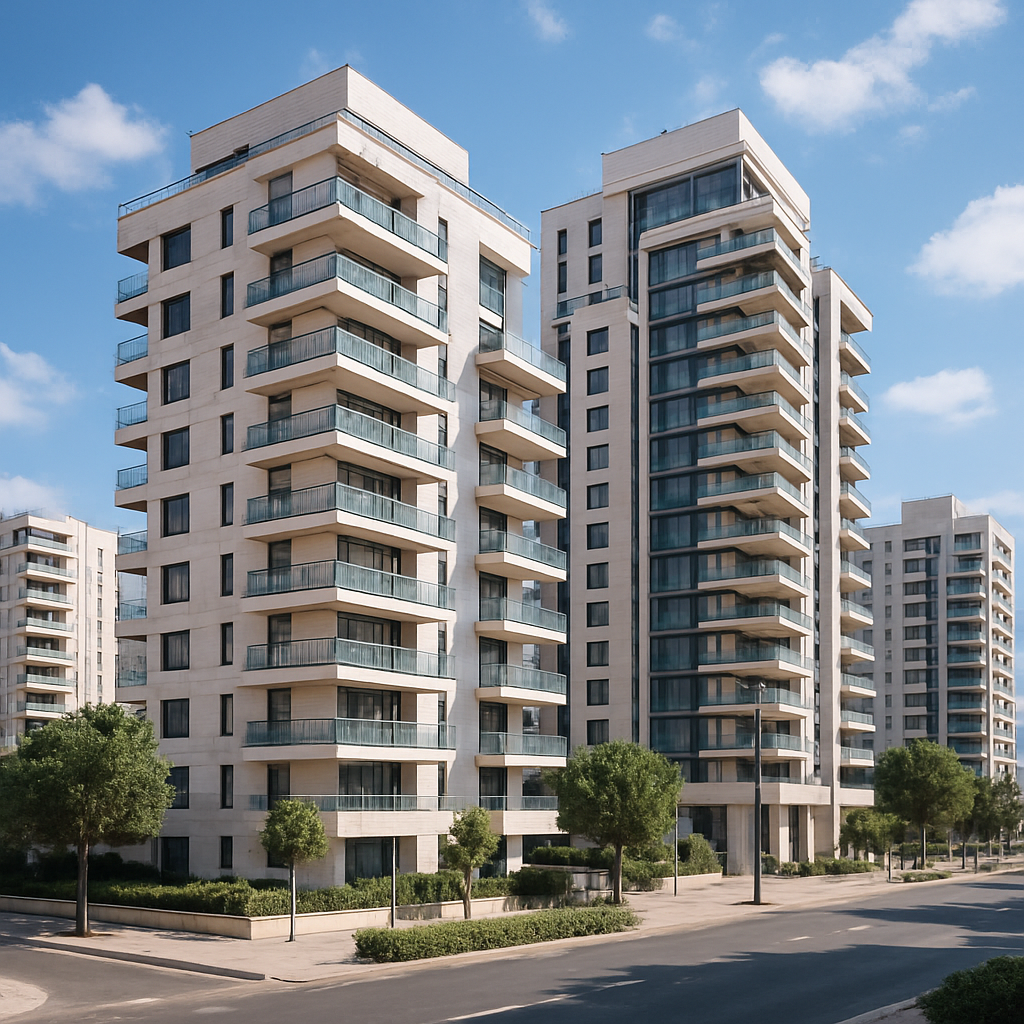
The city is divided into several distinct areas with very different characters. Herzliya Pituach, the beachfront luxury zone, is where you find the marina, the high-rise towers, the diplomatic residences, and truly luxury living at its finest. The Anglo concentration there reaches twenty to thirty percent in some buildings. This is where you live if money is genuinely no object—we’re talking three-bedroom apartments with sea views running six to ten million shekels, that’s about 1.7 to 2.8 million dollars. Four-bedroom luxury apartments go for eight to fifteen million shekels, and penthouses can easily exceed twenty or thirty million shekels. Even a modest two-bedroom starter apartment in the Pituach runs four to six million shekels.
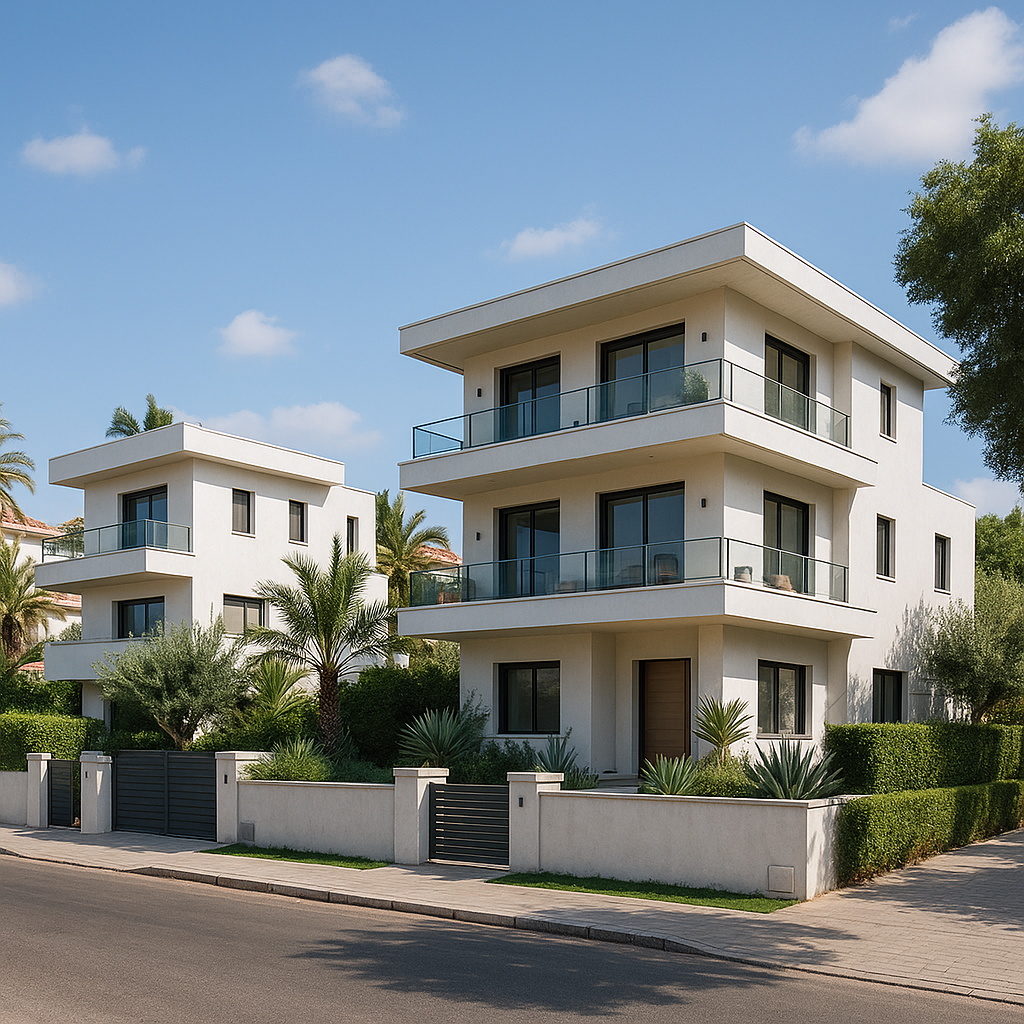
Then you have Neve Amal, which is a prime residential neighborhood near the beach with beautiful homes, tree-lined streets, and excellent schools. The Anglo population there is around fifteen to twenty percent. This is where old money meets new money, established families alongside successful young professionals. Houses in Neve Amal range from eight to fifteen million shekels for a four-bedroom, up to twelve to twenty-five million for a five-bedroom villa with a garden. Nof Yam is another upscale residential area with sea views and large properties, similar Anglo presence and similar price points.
For slightly more affordable options—and I use that term very relatively—there’s central Herzliya, the original city center, where three-bedroom apartments run 3.5 to five million shekels, and Glilot, the northern section bordering Ramat Hasharon, which is popular with young families and where three-bedroom apartments go for four to six million shekels. But even these “more affordable” options are extraordinarily expensive by most standards.
The rental market is equally eye-watering. A three-bedroom apartment in the Pituach runs ten thousand to eighteen thousand shekels per month, that’s about 2,800 to 5,100 dollars. A four-bedroom house in Neve Amal goes for fifteen thousand to twenty-five thousand shekels monthly. Even in central Herzliya, you’re looking at seven thousand to eleven thousand shekels for a three-bedroom. These prices are thirty to fifty percent higher than you’d pay in Netanya and similar to or exceeding central Tel Aviv.
So why do people pay these astronomical prices? Let me paint the full picture. First, location and commute. Herzliya is perfectly positioned for Tel Aviv professionals—you’re fifteen to twenty minutes from central Tel Aviv in normal traffic, maybe twenty-five to thirty-five minutes in rush hour. Compare this to Netanya’s sixty to ninety minute commute or Modi’in’s forty-five to sixty minutes, and suddenly Herzliya makes sense for high-earning Tel Aviv workers who value their time. The train station provides quick access to Tel Aviv in just fifteen minutes with frequent service. Many residents work in Herzliya’s own high-tech zone and literally walk or bike to work, which is an incredible luxury in Israel.
The beaches are genuinely exceptional. Herzliya has some of Israel’s most beautiful Mediterranean coastline—Acadia Beach, Sharon Beach, Zvulun Beach, plus the exclusive marina beach clubs. Living in the Pituach means you can walk to the beach in minutes and have a genuine coastal lifestyle year-round. The marina itself is stunning, with yachts, waterfront restaurants, luxury shops, and a distinctly Mediterranean resort atmosphere that feels more like southern France than typical Israel.
The international character is another major draw. Herzliya feels more cosmopolitan than most Israeli cities. You’ll hear English, French, Russian, and Hebrew on the streets. The restaurants are sophisticated, the culture is international, and there’s less of the typical Israeli chaos and intensity. For Anglos coming from major Western cities, Herzliya provides a softer cultural landing than many alternatives. It’s not trying to be authentically Middle Eastern or intensely Jewish—it’s trying to be a successful, modern, international coastal city that happens to be in Israel.
Schools are absolutely crucial to understanding Herzliya’s appeal. The city offers excellent educational options that compete with or surpass Jerusalem’s best. There are international schools like WIZO Naan with English-language programs attracting diplomatic and international families. The Herzliya Hebrew Gymnasium is one of Israel’s most prestigious high schools, highly selective, sending graduates to top universities worldwide. For religious families, there’s Pelech Herzliya, a branch of Jerusalem’s prestigious Pelech girls’ school, and various strong religious elementary schools. The secular public schools are generally high quality with strong STEM programs. The Anglo presence in these schools ranges from fifteen to thirty percent, providing peer support for immigrant children while ensuring strong Hebrew immersion.
Employment is where Herzliya truly shines. The city is a high-tech powerhouse. Microsoft Israel has its headquarters there, along with Check Point Software, Amdocs, SanDisk, and countless startups and tech firms. The Herzliya Industrial Zone employs thousands in high-tech jobs. For Anglos, this means abundant opportunities with competitive salaries, many companies operating in English, startup culture welcoming international talent, and strong entrepreneurship ecosystem. Average salaries in Herzliya’s high-tech sector are among Israel’s highest—senior engineers earning forty thousand to sixty thousand shekels monthly, managers sixty thousand to one hundred thousand plus, executives even more. This is critical because Herzliya’s housing costs only make sense if you’re earning top-tier salaries. The city essentially self-selects for high earners.
The religious character is something you need to understand clearly. Herzliya is predominantly secular—about seventy percent secular or traditional, twenty to twenty-five percent religious, mostly Modern Orthodox, and a tiny Haredi population. This means most businesses operate on Shabbat, public transportation runs on Shabbat, beach culture dominates, and the overall vibe is decidedly secular and international. Synagogues exist and kosher restaurants are available, but they’re not the center of community life the way they are in Jerusalem. You’ll even see Christmas decorations in December because of the diplomatic community influence. For Modern Orthodox families, Herzliya requires comfort with being a minority in an affluent secular environment. You can maintain an observant lifestyle—there are good synagogues, kosher supermarkets, religious schools—but the broader culture is secular and cosmopolitan.
Daily life in Herzliya has a distinct rhythm. Mornings see professionals heading to work, parents dropping kids at excellent schools, retirees doing beach walks or yoga classes. The marina area buzzes with cafés filled with laptop workers and business meetings. Afternoons, the beaches fill with families, the Pituach promenade becomes a social hub. Evenings are sophisticated—dinner at upscale restaurants, drinks at marina bars, casual beach walks. The vibe is more “international coastal resort” than typical Israeli city. Dining out easily runs four hundred to six hundred shekels for two at nice restaurants, but the quality is excellent.
The social scene is more sophisticated and less automatically communal than Jerusalem. There’s less organized Anglo community structure—no equivalent to Jerusalem’s dense AACI programming. Instead, people connect through kids’ schools, professional networks, sports clubs, synagogue communities for religious families, and informal WhatsApp and Facebook groups. The community tends to be wealthier on average, more secular, more professionally accomplished, and sometimes more transient than Jerusalem’s rooted Anglo families.
Let me be very clear about the financial reality. A family of four in Herzliya needs to budget roughly thirty-one thousand to fifty-one thousand shekels per month for a reasonable lifestyle, that’s about 8,800 to 14,500 dollars. This includes housing, food, transportation, utilities, healthcare, children’s activities, and entertainment. To live comfortably, you really need household income of at least fifty thousand shekels monthly gross, about fourteen thousand dollars. For a better lifestyle, seventy thousand to ninety thousand shekels monthly. For the true upper-middle-class lifestyle the city offers, one hundred thousand to one hundred fifty thousand shekels or more. If you’re not earning at these levels, the city will be financially stressful, and you won’t be able to enjoy what it offers.
So who succeeds in Herzliya? Ideal candidates are high-tech professionals earning top salaries, successful entrepreneurs or business owners, executives with companies paying relocation packages, families with significant savings or family wealth, people who are secular or moderately religious and comfortable in an international environment, those valuing beach lifestyle and cosmopolitan culture, prioritizing work-life balance and short commutes, and wanting excellent schools without Jerusalem’s religious intensity. Who struggles? Families without high-tech or executive salaries, those seeking dense Anglo community support during adjustment, strongly religious families wanting an observant environment, people valuing historical or spiritual significance over modern amenities, and budget-conscious families—even those who are middle-class by Western standards can struggle here.
Comparing Herzliya to other cities helps clarify the choice. Versus Ra’anana, both are affluent Anglo cities near Tel Aviv, but Ra’anana has a larger, more established Anglo community with better support structures and is marginally more affordable. Herzliya has better beaches, shorter Tel Aviv commute, more international character, and higher prestige. Ra’anana feels more suburban-American; Herzliya feels more Mediterranean-cosmopolitan. Versus Tel Aviv, you get urban energy, nightlife, and culture in Tel Aviv that Herzliya can’t match, but Tel Aviv costs similarly or more for less space and is more chaotic. Herzliya provides suburban calm with superior beach access while staying close to Tel Aviv’s opportunities. Versus Netanya, you’re looking at thirty to forty percent lower costs in Netanya but with lower-quality schools, weaker economy, longer commute, and less sophisticated atmosphere. Netanya is solid middle-class; Herzliya is upper-class. Versus Jerusalem, they’re completely different worlds—Jerusalem offers spiritual depth, historical significance, religious infrastructure, and denser Anglo community, while Herzliya offers beach lifestyle, cosmopolitan sophistication, better high-tech opportunities, and secular atmosphere.
The bottom line is this: Herzliya is Israel’s success story city, where people who’ve “made it” choose to live. It offers the best of Israeli life without many typical Israeli challenges—beautiful beaches, excellent schools, short commutes, international sophistication, safety, and quality of life rivaling anywhere in the world. But it comes with a massive price tag. This is categorically not a city for typical middle-class families or those early in careers. You need significant financial resources. For high-earning professionals, especially in high-tech, Herzliya makes tremendous sense because you’re maximizing work-life balance, giving your kids excellent education in a safe environment, living a beach lifestyle, and staying connected to international culture while building life in Israel. For wealthy families seeking the best Israel offers without religious intensity or historical weight, it’s ideal. But if you’re not in the top income brackets, if you’re seeking deep Anglo community support, if religious life matters greatly, or if you want to feel the spiritual significance of living in Israel, other cities serve those needs better at lower costs. Herzliya is unabashedly about quality of life, convenience, and modern success. It doesn’t apologize for being expensive or exclusive. The question is simple: can you afford it, and is this cosmopolitan beach lifestyle what you want from your Israeli experience?