A Guide To Baka
I’d like to tell you about Baka, one of Jerusalem’s most remarkable neighborhoods and perhaps the premier destination for English-speaking immigrants to Israel. Picture a place where ancient Jerusalem stone meets modern cosmopolitan life, where you can hear as much English as Hebrew on the streets, and where the aroma of fresh-baked challah mingles with artisanal coffee from trendy cafés.
The story of Baka begins in the eighteen seventies, when German Templars, a Protestant sect, established a colony in this valley south of Jerusalem’s Old City. They built sturdy stone houses with characteristic red-tiled roofs, thick walls that could withstand Jerusalem’s harsh climate, and arched windows that still define the neighborhood’s architectural character today. These beautiful structures, many now renovated to stunning effect, are among the most coveted properties in all of Israel. During the British Mandate period, the neighborhood developed as a mixed area with both Jewish and Arab residents, and the wide streets and spacious plots reflected the urban planning sensibilities of that era.
Everything changed after Israel’s War of Independence in nineteen forty-eight. The original German Templar residents and many Arab families left, and the neighborhood was repopulated primarily by Jewish immigrants. For the next few decades, Baka was considered modest and working-class, far from the upscale status it enjoys today. But then came the transformation that would reshape Baka forever. Beginning in the nineteen eighties and accelerating dramatically through the nineties and two thousands, English-speaking immigrants discovered this hidden gem. They saw the potential in those beautiful old Templar houses, the proximity to the city center, and the opportunity to build a community. Americans, Canadians, British, South Africans, and Australians began purchasing and renovating the old stone houses, and Baka underwent a gentrification that continues to this day.
Today, Baka is home to approximately eight to ten thousand residents, with English speakers comprising an estimated thirty-five to forty-five percent of the population. This is one of the highest concentrations of Anglos anywhere in Israel. The neighborhood attracts primarily young professionals in their twenties through forties, young families with children, and middle-aged families, creating a distinctly family-oriented atmosphere where playgrounds are consistently full and streets bustle with strollers and children. Religiously, Baka is predominantly Modern Orthodox or Religious Zionist in character, with about fifty to sixty percent identifying this way, but it maintains significant diversity with traditional, secular, and a minimal ultra-Orthodox presence, contributing to a pluralistic and tolerant atmosphere.
The heart of Baka is Emek Refaim Street, a tree-lined boulevard that runs through the neighborhood and continues into the adjacent German Colony. This is the neighborhood’s crown jewel and main commercial thoroughfare, featuring dozens of cafés, restaurants, and bars, boutique shops and bookstores, supermarkets and grocery stores, professional offices, and cultural venues. On any given evening, you’ll find the street packed with young families dining al fresco, couples enjoying wine at outdoor tables, and groups of friends meeting for coffee after work. The restaurant scene here is considered among Jerusalem’s finest, offering everything from upscale Mediterranean cuisine to gourmet burgers, Italian trattorias to Asian fusion, with many establishments offering various levels of kosher certification to accommodate the diverse religious community.
Real estate in Baka tells the story of the neighborhood’s dramatic transformation. A one-bedroom apartment now costs between two-and-a-half to three-and-a-half million shekels, roughly seven hundred thousand to one million dollars. A three-bedroom apartment runs from four-and-a-half to six million shekels, and the crown jewels, those renovated Templar houses with their thick stone walls, high ceilings, red-tiled roofs, and private gardens, can command eight to fifteen million shekels or more, sometimes exceeding four million dollars. Monthly rents reflect these astronomical purchase prices, with a two-bedroom apartment costing seven to nine-and-a-half thousand shekels, roughly two to two-and-a-half thousand dollars per month. This makes Baka one of Jerusalem’s most expensive neighborhoods, a fact that shapes everything about who can afford to live here and the lifestyle that residents maintain.
Education is a cornerstone of Baka’s appeal to Anglo families. The neighborhood and its immediate surroundings offer numerous preschool options, including programs specifically designed for English-speaking families with bilingual Hebrew-English instruction. For elementary education, Pelech is one of Jerusalem’s premier religious girls’ schools, with grades one through twelve, Modern Orthodox orientation, very high academic standards, and a significant Anglo population of thirty to forty percent. For boys, Himmelfarb is the top-tier religious elementary school with significant Anglo enrollment and strong secular studies. These schools are walkable from most of Baka and maintain Hebrew instruction while accommodating the needs of Anglo families transitioning to Israeli life.
The neighborhood’s religious infrastructure is equally impressive. Shira Hadasha, founded in two thousand two, has gained international prominence as a partnership minyan where women read Torah and lead Kabbalat Shabbat while men lead the main prayers, attracting scholars, academics, and professionals seeking a high level of learning in both English and Hebrew. The historic Beit Knesset HaGdud Ha’Ivri offers traditional Orthodox services with a primarily Israeli membership and warm, welcoming atmosphere. Kol Haneshama serves the Conservative and Masorti community with progressive egalitarian services and a strong Anglo presence. Multiple other synagogues throughout Baka and adjacent Katamon offer everything from early morning minyanim at six AM to late-night Ma’ariv services, Carlebach-style Kabbalat Shabbat to traditional davening, ensuring that every religious preference and schedule can be accommodated.
Daily life in Baka follows a distinctive rhythm. Weekday mornings from seven to nine are characterized by the busy school run, cafés full of laptop workers taking advantage of remote work flexibility, morning minyanim, joggers and dog-walkers, and buses crowded with commuters heading to Tel Aviv or Jerusalem’s high-tech parks. The daytime hours see quieter streets with stay-at-home parents and young children, retirees, and constant delivery trucks servicing the neighborhood’s many restaurants and shops. Late afternoon brings children returning from school, after-school activities beginning, Mincha and Ma’ariv prayers, and families doing their evening shopping. Evenings see the restaurant scene peak with families dining out, social gatherings in homes and cafés, learning programs at synagogues, and bars and nightlife activating along Emek Refaim.
But it’s Shabbat when Baka truly comes alive in a different way. The neighborhood transforms completely. Traffic disappears, creating peaceful streets where families walk together, children play freely without the usual urban dangers, and the sound of singing drifts from synagogues and homes. The Shabbat atmosphere in Baka is something special, a weekly reminder of why many families chose Jerusalem over more secular Tel Aviv or suburban Ra’anana. You’ll see beautifully dressed families walking to shul, smell cholent wafting from windows, hear zemiros echoing through stone courtyards, and feel a sense of community and spiritual elevation that’s hard to find elsewhere.
The professional profile of Baka residents is notably high-achieving. The neighborhood attracts software engineers and product managers in high-tech, physicians and therapists, teachers and professors, lawyers and accountants, nonprofit workers and community organizers, journalists and media professionals, and government employees. Many residents commute to Tel Aviv, a journey that can take ninety minutes to two hours each way by train, leading many to negotiate flexible or hybrid work arrangements. Others work in Jerusalem’s growing high-tech sector or have embraced remote work, which has dramatically increased since COVID and allowed more families to maintain their Jerusalem lifestyle while working for companies anywhere in the world.
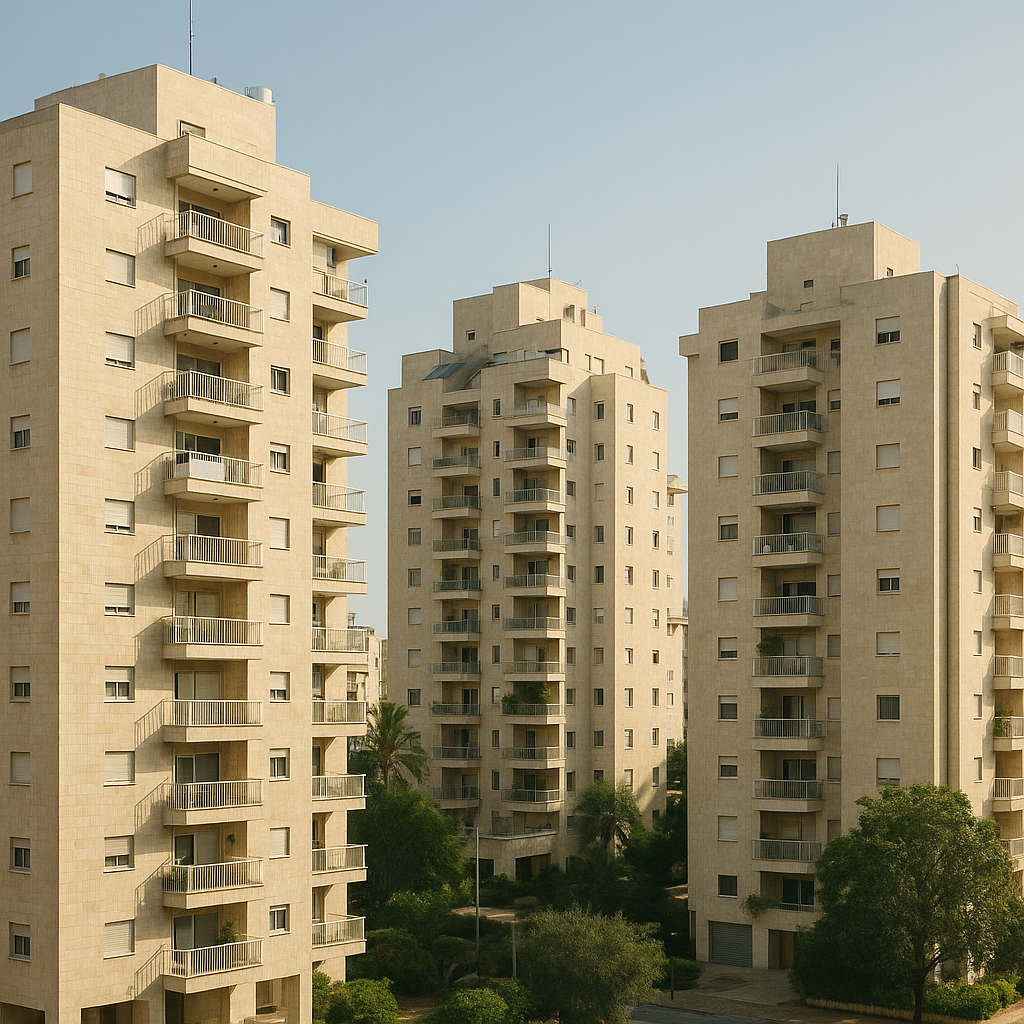
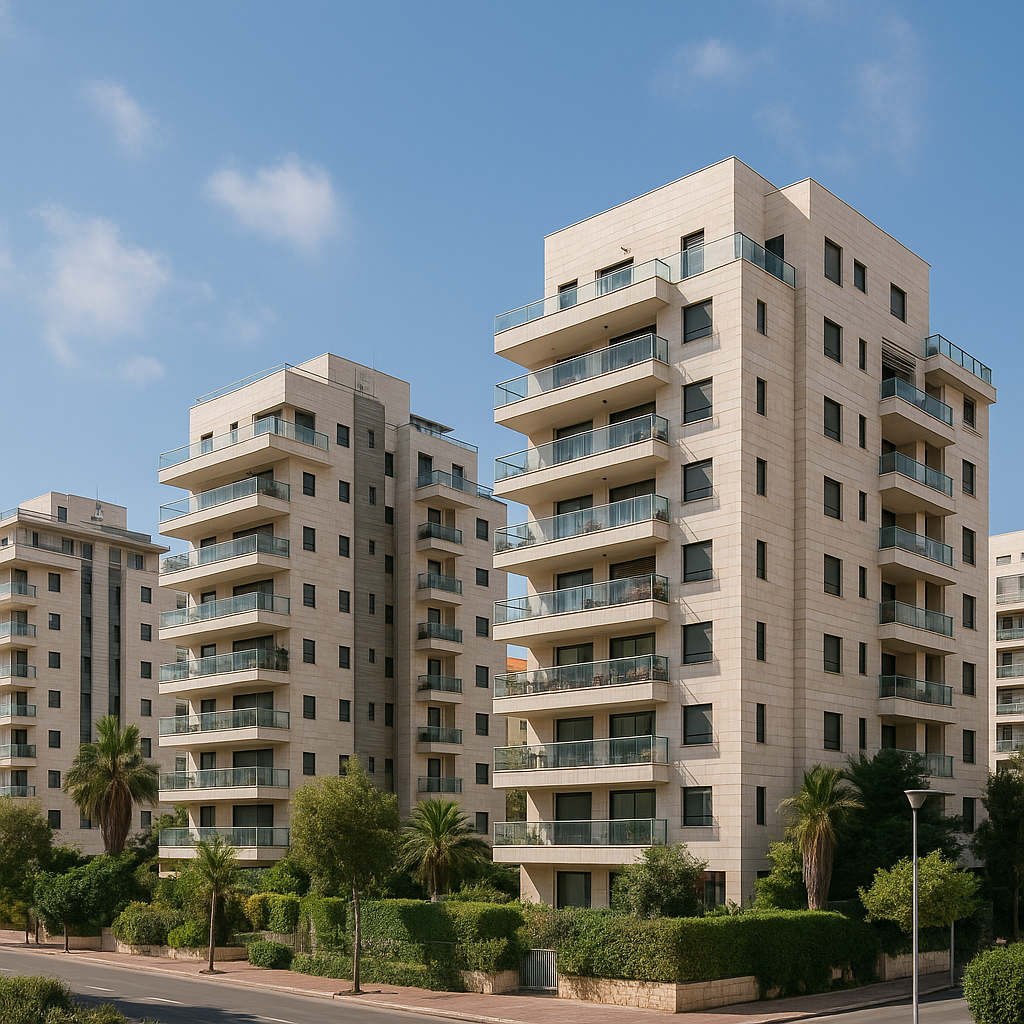
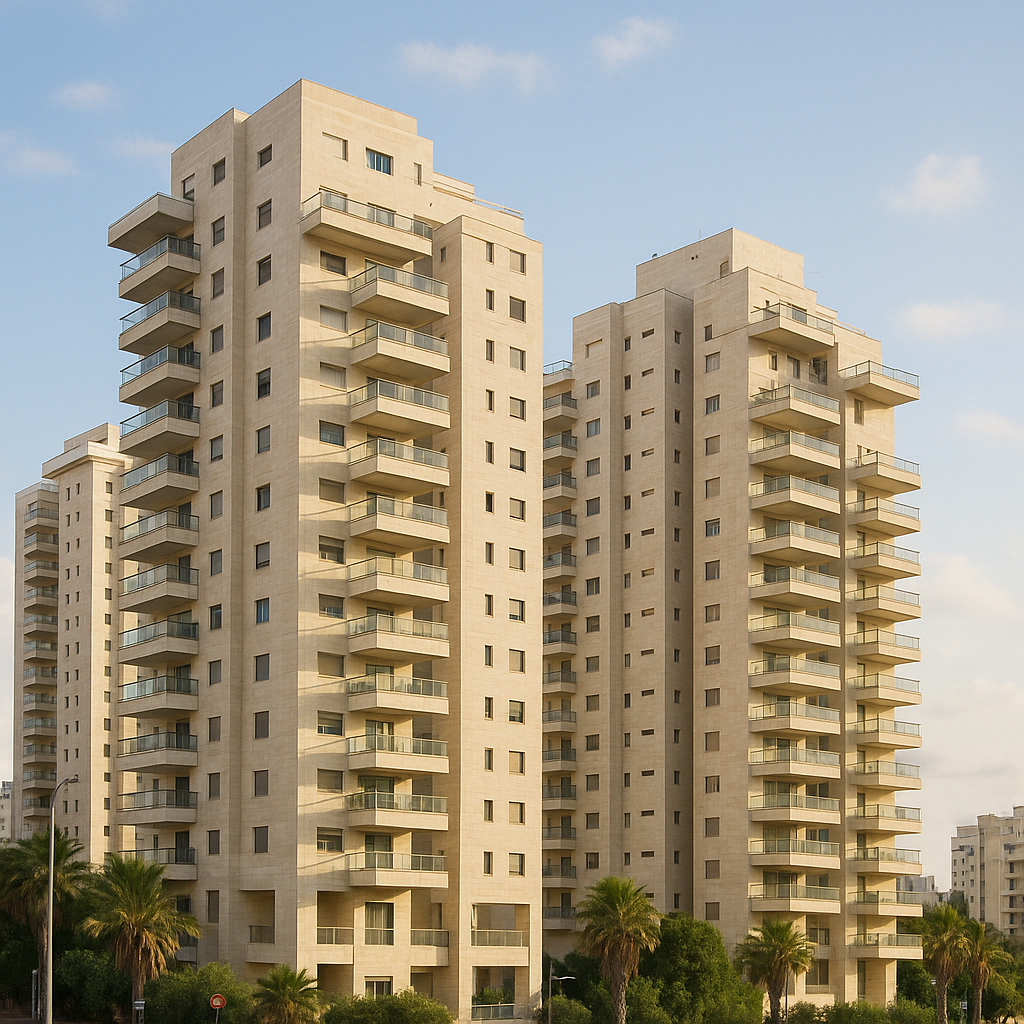
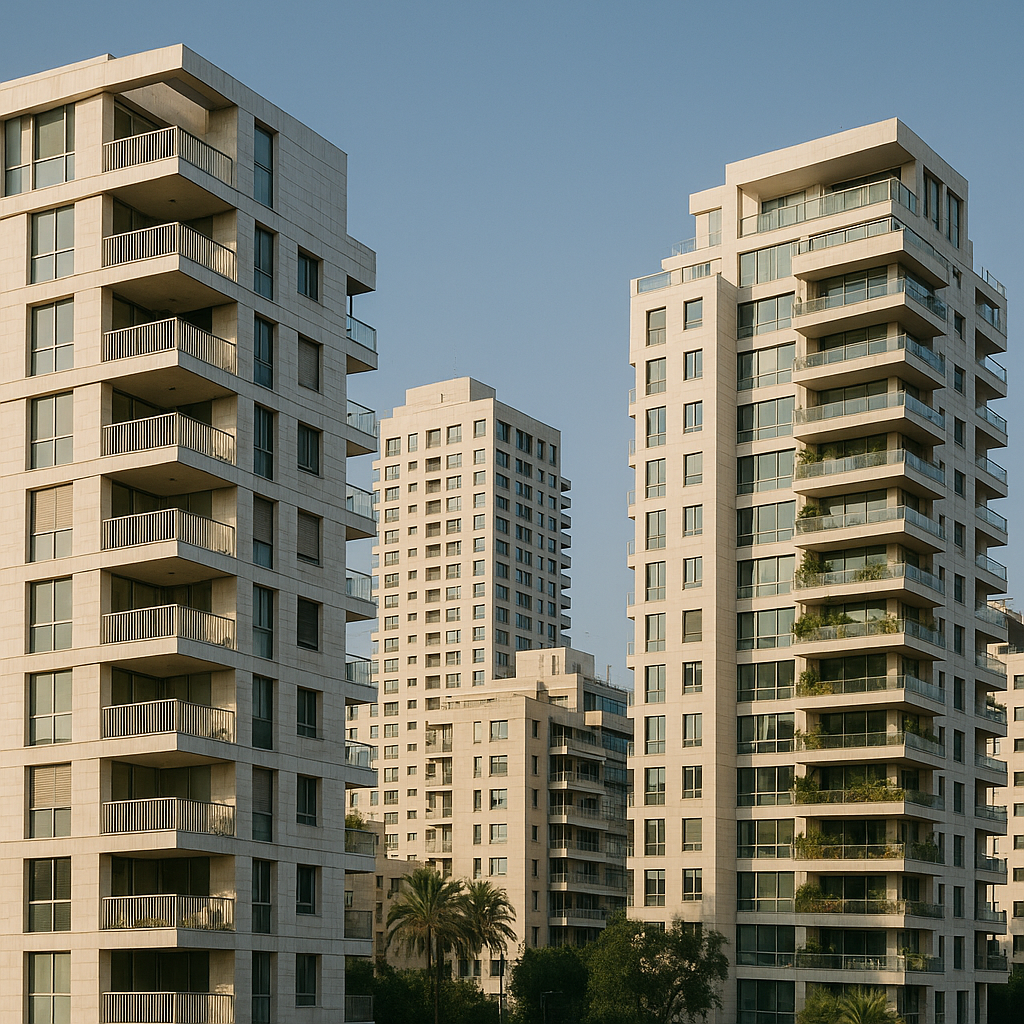
But Baka is not without its challenges and contradictions. The cost of living is perhaps the most significant barrier, making this neighborhood increasingly accessible only to the wealthy or those willing to stretch themselves financially to breaking point. Many young families find themselves needing two substantial incomes just to afford a modest apartment, and the pressure to keep up with neighbors who are renovating their homes with imported Italian kitchens and designer bathrooms can be intense. Housing itself presents challenges beyond cost. Apartments are generally small by North American standards, with three bedrooms considered normal for a family that might have expected four or five in their country of origin. Storage is minimal, private outdoor space is rare, parking is a nightmare with residents competing for limited street spots, and the constant noise of renovations can be maddening.
There’s also what some call the Anglo bubble. It’s entirely possible to live in Baka speaking almost exclusively English, socializing primarily with other immigrants, shopping at stores where staff speak English, and sending your children to schools with high Anglo populations. While this eases the transition to Israeli life, it also risks isolation from broader Israeli culture and can hinder language acquisition and integration. The neighborhood’s very success in creating this comfortable English-speaking environment has created a debate within the community about the proper balance between maintaining cultural connections to countries of origin and truly integrating into Israeli society.
Security is another reality that potential residents must consider seriously. While Baka itself is generally very safe with low crime rates, Jerusalem experiences periodic tensions, rocket threats during conflicts with Gaza or Lebanon, and the ever-present though statistically small risk of terrorism. All buildings have bomb shelters, air raid sirens are tested monthly, and every resident knows the protocol for various emergency situations. Yet remarkably, normal life continues. Children play in playgrounds, cafés remain full, and the community demonstrates remarkable resilience in the face of these challenges.
The future of Baka raises important questions. Can the neighborhood maintain its diversity as prices continue to rise and middle-class families are priced out? Will the unique character of those beautiful Templar houses be preserved even as developers eye every available plot for luxury apartment buildings? How will the community balance the needs and preferences of longtime Israeli residents with the growing Anglo population? And what will happen as the second generation, children who are growing up fully Israeli but with English-speaking parents, comes of age and must decide whether they can afford to stay in the neighborhood where they grew up?
Despite these challenges, for thousands of families who have chosen Baka, the calculation has been clear. They’ve traded the space and affordability they might have enjoyed in Ra’anana or Modi’in for the privilege of living in the heart of Jerusalem, walking distance from the Old City, surrounded by history and holiness. They’ve accepted Israeli bureaucracy and Middle Eastern tensions in exchange for the opportunity to build rich Jewish lives in the capital of the Jewish people. They’ve embraced the complex identity of being both Anglo immigrants maintaining connections to their countries of origin and Israeli citizens committed to building their futures here.
What they’ve gained is extraordinary. They can walk their children to excellent schools where Torah and secular studies are both taken seriously. They can choose from a dozen synagogues within ten minutes’ walk, each offering a different style and community. They can enjoy world-class restaurants and cafés without traveling to Tel Aviv. They can participate in a vibrant cultural scene with English-language book clubs, Torah study groups, professional networking events, and social gatherings. They can raise their children in a community where being religious and intellectually engaged, traditional and modern, committed to Jewish values and open to the world, are not contradictions but the norm.
On a spring evening in Baka, as the sun sets over the Jerusalem hills and the stone buildings take on that famous golden glow, as families gather for Shabbat dinner and the sound of singing rises from open windows, as the cafés on Emek Refaim fill with neighbors catching up over coffee and wine, you can understand why so many have chosen this place. Baka represents a remarkable achievement, a community where English-speaking immigrants have successfully created a vibrant, integrated life in the heart of the Jewish capital, contributing to Israeli society while maintaining connections to their cultures of origin, and building something entirely new in the process.