A Guide To Katamon
Let me tell you about Katamon, a neighborhood that in many ways represents the heart of modern Jerusalem’s transformation and the complex layers of history that define this extraordinary city. Katamon sits in southern Jerusalem, adjacent to both the German Colony and Baka, and if you want to understand the story of Jerusalem itself, the story of how ancient meets modern, how tragic history becomes hopeful future, how diverse communities learn to coexist, then Katamon is the neighborhood you need to know.
The name Katamon comes from the Greek “kata monas,” meaning “by the monastery,” referring to the Greek Orthodox monastery of St. Simeon that once dominated this area. But Katamon’s story really begins in the early twentieth century, during the final years of Ottoman rule and the beginning of the British Mandate period. In the nineteen twenties and thirties, Katamon developed as one of Jerusalem’s most affluent Arab neighborhoods, home to wealthy Palestinian Christian and Muslim families who built beautiful stone villas with expansive gardens, ornate details, and all the grandeur that wealth could provide in Mandate Palestine. These weren’t modest homes. These were mansions, estates really, built by prominent families with names that once carried weight in Jerusalem society: physicians, lawyers, merchants, landowners who represented the Palestinian Arab elite.
The neighborhood that developed was sophisticated and cosmopolitan. Katamon had clubs, cinemas, shops, and a social scene that rivaled anything in Jerusalem. The architecture reflected wealth and taste, with houses featuring arched windows, stone courtyards, elaborate tilework, and gardens that were the envy of the city. It was a neighborhood where you might hear Arabic, English, French, and Greek spoken on the streets, where the wealthy sent their children to the best schools, and where social gatherings brought together the cream of Palestinian society. Walking through certain streets of Katamon today, you can still see these grand old Arab villas, many now subdivided into apartments or converted to other uses, but still bearing witness to that elegant past.
Then came nineteen forty-eight, and everything changed. During Israel’s War of Independence, Katamon became a battlefield. The neighborhood’s strategic location, situated between the Jewish neighborhoods to the north and the Arab areas to the south, made it a crucial prize. The fighting was intense and bitter. In April nineteen forty-eight, Jewish forces captured Katamon in a battle that involved house-to-house combat and significant casualties on both sides. The wealthy Arab families who had built this neighborhood fled or were forced to leave, abandoning their beautiful villas, their possessions, their entire lives. In a matter of days, Katamon was emptied of its original inhabitants, becoming part of the larger tragedy of nineteen forty-eight that Palestinians call the Nakba, the catastrophe, and that Israelis remember as their war of independence.
What happened next shaped modern Katamon. The abandoned Arab villas and properties were taken over by the Israeli government and allocated to new Jewish immigrants flooding into the nascent state. But these weren’t wealthy immigrants. These were refugees themselves, Jews fleeing persecution and violence in Arab countries, Holocaust survivors from Europe, desperately poor families who had lost everything and arrived in Israel with nothing but the clothes on their backs and hopes for a new life. They were placed in buildings that had once housed Jerusalem’s Arab elite, often multiple families crammed into villas designed for single wealthy households. The grand drawing rooms became communal kitchens, the elegant bedrooms were subdivided with hanging sheets, and the beautiful gardens fell into neglect as families struggled simply to survive.
For decades, from the nineteen fifties through the seventies, Katamon was known as a poor, struggling neighborhood, populated primarily by Mizrahi Jews, immigrants from Iraq, Yemen, Morocco, and other Middle Eastern and North African countries who faced discrimination and economic hardship in Israeli society. The beautiful architecture remained, but the neighborhood was rough around the edges, working-class, far from fashionable. The old Arab villas crumbled slowly, divided among multiple families who lacked the resources to maintain them properly. Katamon was not where ambitious young Israelis aspired to live. It was where poor immigrants were placed and where they made do as best they could.
But starting in the nineteen eighties and accelerating dramatically through the nineties and two thousands, Katamon began to transform yet again. This transformation happened for several reasons. First, young Israeli professionals and academics began to recognize the neighborhood’s potential: the beautiful old architecture, the solid stone construction, the large properties, the proximity to the city center, and crucially, the relatively affordable prices compared to established neighborhoods like Rehavia or the German Colony. Second, a wave of English-speaking immigrants, particularly from North America, discovered Katamon as a more affordable alternative to the already-gentrifying German Colony and Baka. Third, the Modern Orthodox and Religious Zionist community, growing in numbers and affluence, found in Katamon the space and character they were seeking.
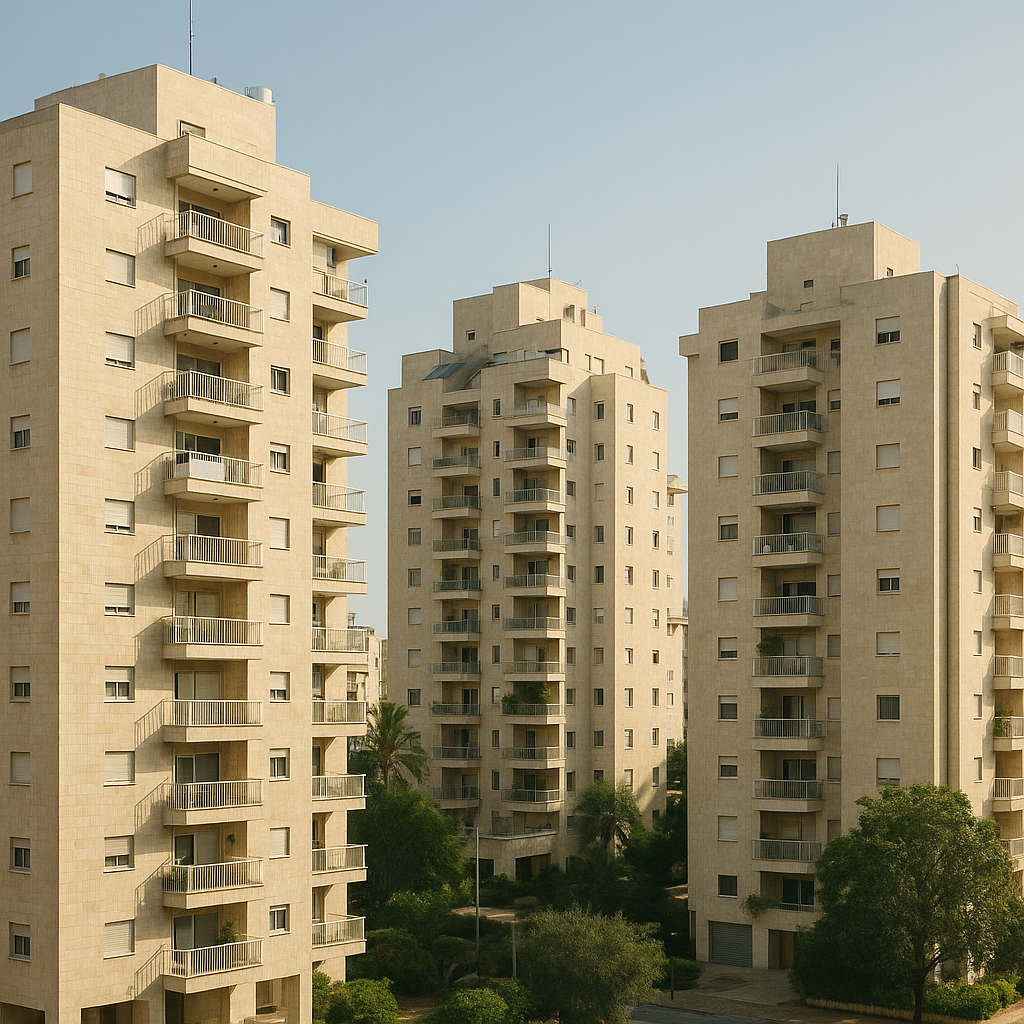
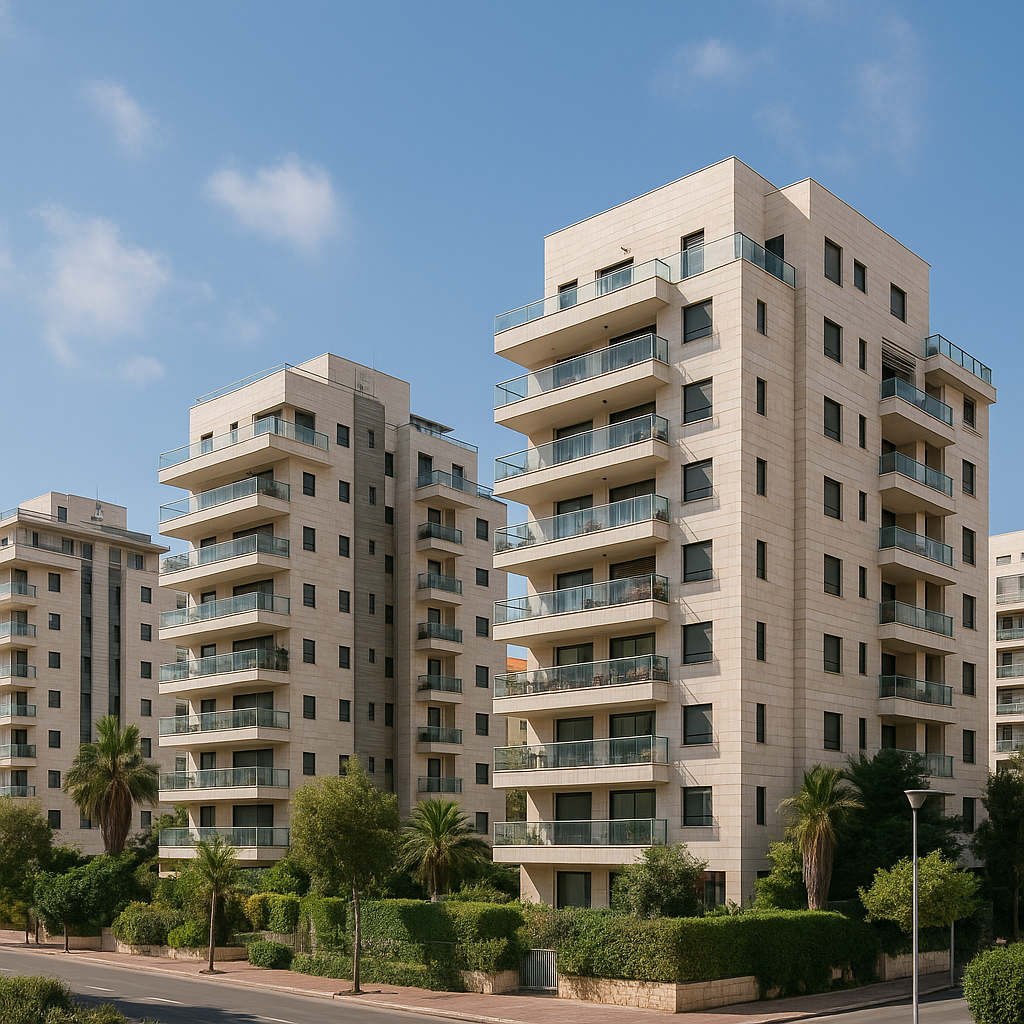
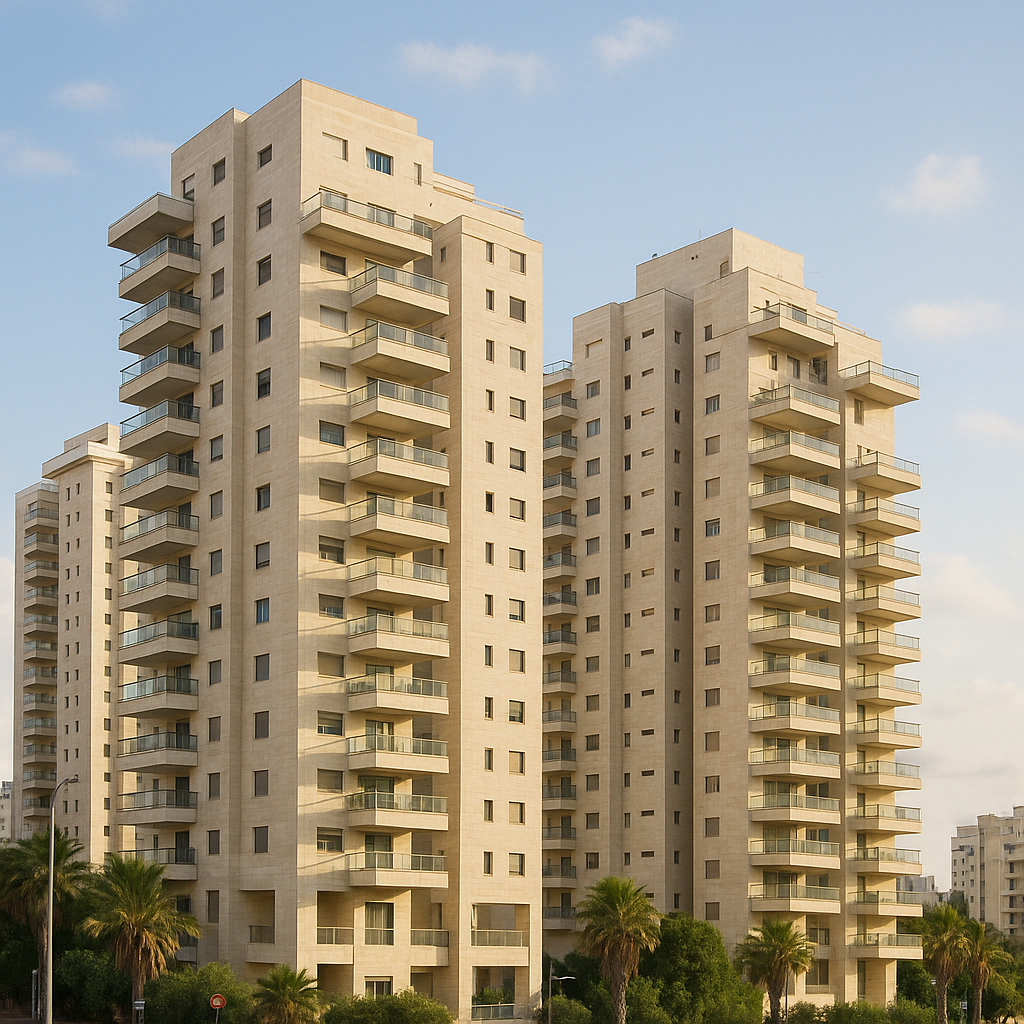
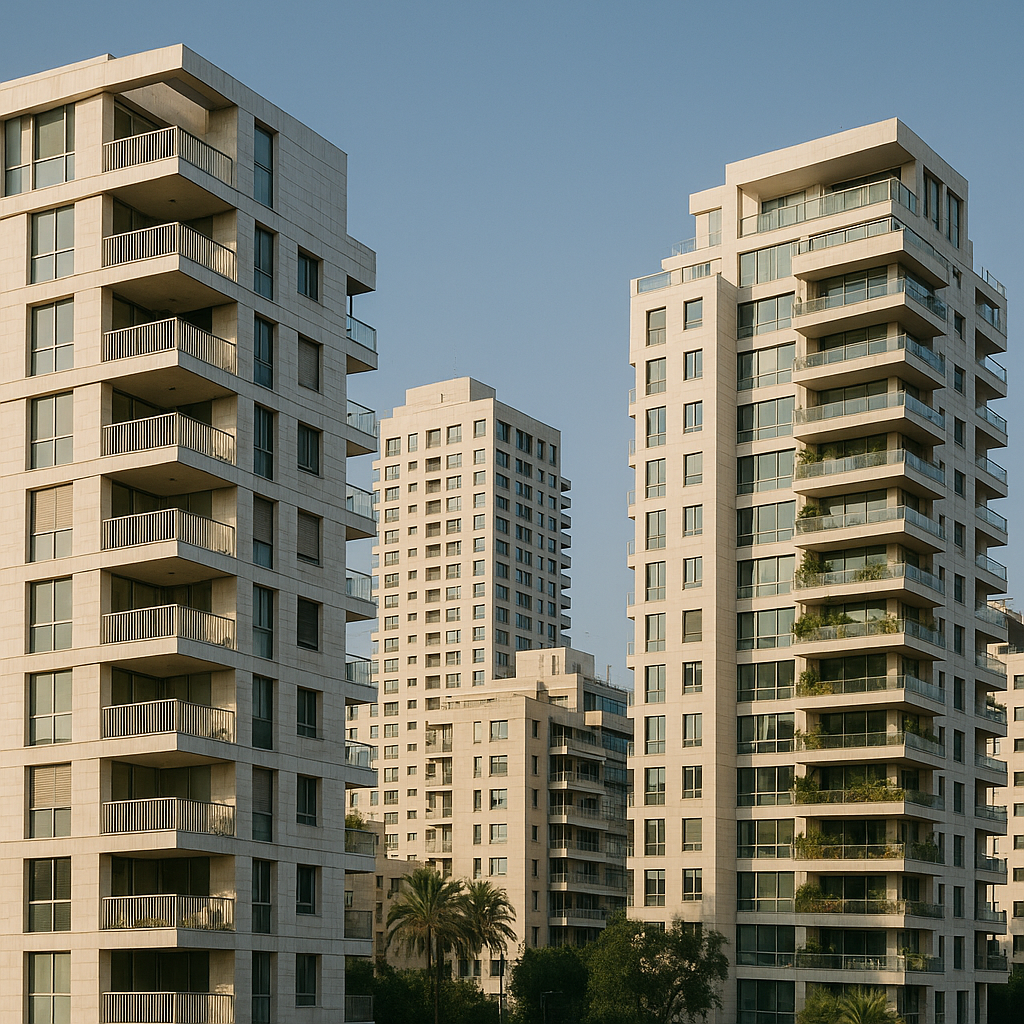
The gentrification of Katamon has been one of the most dramatic neighborhood transformations in Israeli history. Those crumbling Arab villas that had housed multiple poor immigrant families were purchased, evicted, gutted, and renovated into stunning single-family homes or divided into luxury apartments. Property values skyrocketed. New construction filled empty lots. And gradually, painfully, the original Mizrahi immigrant population was pushed out, replaced by a wealthier, more educated, more Ashkenazi demographic. This gentrification is controversial and ongoing, with tensions between longtime residents fighting to stay and newcomers willing to pay astronomical prices to live in this increasingly desirable neighborhood.
Today’s Katamon is a fascinating patchwork, a neighborhood in transition that hasn’t fully completed its transformation. In some areas, particularly upper Katamon near Gaza Street, the gentrification is nearly complete, with beautifully renovated homes, upscale shops and cafés, and a population that skews professional, educated, and affluent. In other areas, particularly lower Katamon and the San Simon neighborhood within Katamon’s boundaries, you still find pockets of the old working-class character, elderly Mizrahi residents who’ve lived here for sixty or seventy years, rent-controlled apartments in buildings that desperately need renovation, and a grittiness that stands in stark contrast to the polished gentrification happening streets away.
The current population of Katamon is somewhere around fifteen to twenty thousand residents, though exact numbers are difficult because the neighborhood’s boundaries are somewhat fluid and disputed. Religiously, Katamon is diverse but with a strong Modern Orthodox and Religious Zionist presence, perhaps fifty to sixty percent of the population, with secular and traditional Jews making up much of the remainder. There’s a minimal ultra-Orthodox presence and virtually no non-Jewish population, a stark change from the neighborhood’s origins. The Anglo immigrant population is significant but smaller than in Baka or the German Colony, perhaps fifteen to twenty-five percent, concentrated in certain sub-areas.
What makes Katamon particularly interesting is its physical layout and the way different sections have distinct characters. The neighborhood is generally divided into several areas, each with its own personality. Upper Katamon, closest to Gaza Street and the city center, is the most gentrified and expensive, with beautifully renovated villas, tree-lined streets, proximity to Emek Refaim in the German Colony, and prices that rival or exceed those in the German Colony itself. The Katamon Gimel area, sometimes called Old Katamon, has some of the most spectacular Arab villas, many now carefully renovated, along with the main commercial center including the Katamon Supersol and various shops and services.
The San Simon neighborhood, technically part of Katamon, has maintained more of the working-class character, with apartment buildings from the fifties and sixties, a more Mizrahi demographic, and more affordable prices, though even here gentrification is creeping in. And then there’s the area around the massive Katamon synagogue complex, which has become a major religious and community center drawing people from across southern Jerusalem.
The real estate market in Katamon reflects this complex layering. In the most desirable areas, particularly upper Katamon with its renovated Arab villas, prices can be astronomical. A beautifully renovated villa might sell for twelve to twenty million shekels or more, three to six million dollars. A nice three-bedroom apartment in a good location might cost five to eight million shekels, one point four to two point three million dollars. But in less gentrified areas, you can still find older apartments needing renovation for significantly less, perhaps three to four million shekels for a three-bedroom, making Katamon one of the last neighborhoods in central Jerusalem where you might find something approaching affordability, though that term is increasingly relative.
Rentals in Katamon vary enormously depending on location and condition. A renovated three-bedroom apartment might rent for nine to thirteen thousand shekels per month, two thousand five hundred to three thousand seven hundred dollars, while an older, unrenovated apartment in a less desirable area might rent for six to eight thousand shekels. This price variation creates a neighborhood with real economic diversity, increasingly rare in gentrified Jerusalem.
Education is one of Katamon’s great strengths, particularly for religious families. The neighborhood is home to numerous excellent schools serving the Modern Orthodox and Religious Zionist communities. For girls, there’s Pelech, one of Jerusalem’s premier Modern Orthodox schools that actually straddles the border between Katamon and Baka, offering grades one through twelve with very high academic standards and a significant Anglo population. There’s also Efrata and other religious girls’ schools. For boys, Himmelfarb elementary and junior high school in Katamon proper is considered top-tier, with strong academics and a balance of religious and secular studies. These schools draw families from across Jerusalem, making Katamon a destination for religious families prioritizing education.
For secular families, the options are more limited within Katamon itself, and many send children to schools in nearby neighborhoods like the German Colony or Rechavia. Preschool options are abundant, with numerous gannim serving both secular and religious families, including several with English-speaking programs catering to Anglo immigrants.
The religious infrastructure in Katamon is exceptional, perhaps the neighborhood’s greatest draw for observant families. The massive Katamon synagogue complex, known as Beit Knesset Katamon, is a sprawling facility that’s unlike anything else in Jerusalem. This isn’t just one synagogue but rather a complex housing multiple minyanim representing different styles and times, a large community center, educational facilities, and social services all under one roof. On Shabbat morning, you can choose from early minyanim, late minyanim, Carlebach-style minyanim, traditional Nusach Ashkenaz, Nusach Sefard, young professionals’ minyanim, and more. This diversity under one roof means that almost any religious preference can be accommodated, making the Katamon synagogue a draw for Jews from across southern Jerusalem.
Beyond the main complex, Katamon is home to dozens of other synagogues serving various communities. There are Sefardi synagogues serving the Mizrahi old-timers and newer Sefardi families, Ashkenazi shuls serving different styles and communities, Chabad houses, and numerous small shtieblach in apartment buildings and storefronts. The density of synagogues means you’re never more than a few minutes’ walk from multiple prayer options, and the variety means you can almost certainly find a community that fits your religious style and social preferences.
Torah learning opportunities abound in Katamon. There are daily shiurim in Talmud, Halacha, Tanach, and Jewish philosophy. Daf Yomi groups meet in multiple locations. Women’s learning groups study everything from Parsha to advanced Talmud. There are chavrutot for men at various levels. The neighborhood has become a center for serious Torah study, attracting scholars, rabbis, and laypeople committed to ongoing Jewish learning.
The commercial scene in Katamon is practical rather than glamorous, more neighborhood-focused than destination dining. The main commercial area centers around the Supersol supermarket and adjacent shops, providing all the daily necessities but lacking the café culture and restaurant scene of nearby Emek Refaim. There are a few good restaurants, several pizza shops, falafel stands, and basic services, but if you want the upscale dining and sophisticated café culture, you walk ten minutes to the German Colony. This practical rather than flashy commercial infrastructure actually appeals to many families who prefer a real neighborhood feel over tourist-oriented glitz.
Shopping for daily needs is straightforward with the large Supersol providing comprehensive groceries, several smaller supermarkets offering competition, numerous small specialty shops selling everything from fish to baked goods to kosher wines, and a hardware store, pharmacies, and other practical services. On Wednesdays and Fridays, the Baka shuk is just a short walk away, offering fresh produce, cheese, fish, and prepared foods in a bustling market atmosphere.
Transportation in Katamon is generally good. Multiple bus lines run through the neighborhood connecting to the city center, other Jerusalem neighborhoods, and major destinations. The light rail is accessible with a ten to fifteen-minute walk to either the First Station stop or stations on Hebron Road, depending on which part of Katamon you’re in. For those commuting to Tel Aviv, the Malcha train station is about a fifteen to twenty-minute drive, making the journey feasible though long. Many Katamon residents work in Jerusalem itself, taking advantage of the neighborhood’s central location and good public transportation to reach offices, hospitals, schools, and other workplaces across the city.
Parking in Katamon is less nightmarish than in the German Colony but still challenging in the more densely built areas. Many of the old Arab villas have gardens that have been partially converted to parking, and some newer buildings include parking, but street parking requires resident permits and patience. The situation is better than on Emek Refaim but worse than in suburban neighborhoods, a middle ground that reflects Katamon’s transitional urban character.
The social scene in Katamon reflects the neighborhood’s diversity. For religious families, community life often centers around synagogue, with Shabbat meals, learning groups, holiday celebrations, and lifecycle events creating dense social networks. The Anglo community, while smaller than in Baka, is active and welcoming, with English-speakers finding each other through synagogues, schools, and informal networks. For secular and traditional families, social life is more individualized, centered on personal friendships, café culture in the nearby German Colony, and activities throughout Jerusalem.
Children’s activities are abundant, with numerous after-school programs in sports, arts, music, and various enrichment activities. The religious youth movements like Bnei Akiva and Ezra are active and popular. Summer camps, both day camps and overnight camps, serve families with various options for different ages and religious levels. Parks and playgrounds dot the neighborhood, and the proximity to larger parks like the Sherover Promenade and Liberty Bell Park provides excellent recreational options.
The atmosphere in Katamon varies dramatically depending on where you are and when. The more gentrified areas have a polished, professional feel with beautifully maintained homes, clean streets, and a population of successful professionals and their families. The less gentrified areas retain more of the old neighborhood character with elderly residents sitting on stoops, Hebrew with Mizrahi accents heard in conversations, and a grittier, more authentically Jerusalem feel. On Shabbat, the neighborhood transforms, with streets quiet of traffic, families walking to and from synagogue, children playing freely, and a peaceful atmosphere quite different from the weekday hustle.
One of Katamon’s most fascinating features is the way history remains visible and tangible. Those Arab villas that once housed Palestinian elites now house Israeli Jewish families, many of them religiously observant, many of them immigrants from countries that no longer welcome Jews. The irony is not lost on anyone. Some residents are deeply conscious of this history and grapple with the moral complexity of living in homes from which others were displaced. Others prefer not to think about it, focusing on building their own lives and futures. The neighborhood itself seems suspended between past and present, with Arabic architectural details on buildings that now house mezuzahs on doorposts, with street names commemorating Zionist leaders in a neighborhood designed by Palestinian Arabs, with layers of history overlapping and sometimes conflicting.
The challenges facing Katamon are real and ongoing. The gentrification that has brought new wealth and vitality has also displaced longtime residents who can no longer afford skyrocketing rents and property taxes. Elderly Mizrahi Jews who were placed here as refugees in the nineteen fifties are being pushed out by young Ashkenazi professionals willing to pay millions for renovated villas. This creates real tensions and raises difficult questions about who has the right to the neighborhood, whose Jerusalem this is, and how to balance preservation of community with the natural evolution of urban neighborhoods.
The preservation of the historic Arab architecture is another challenge. Some renovations have been sensitive and careful, maintaining the beautiful arched windows, ornate stonework, and architectural details that make these buildings special. Others have been more destructive, gutting buildings and destroying irreplaceable historical elements in favor of modern interiors. The Jerusalem Municipality has preservation regulations, but enforcement is inconsistent, and the pressure to maximize living space often wins out over historical sensitivity.
The religious character of the neighborhood is also evolving and contested. As more Modern Orthodox families move in, some secular longtime residents feel increasingly uncomfortable, worried about religious coercion or social pressure to conform to Orthodox standards. There have been conflicts over Shabbat observance, noise from synagogues, and the general direction of the neighborhood. These tensions are usually managed through negotiation and compromise, but they reflect the broader struggles in Israeli society over religion, secularism, and coexistence.
Yet despite these challenges and complexities, Katamon has emerged as one of Jerusalem’s success stories, a neighborhood that has managed to reinvent itself while maintaining connections to its past, that offers quality of life at a somewhat lower price point than the most elite neighborhoods, and that provides a real sense of community alongside urban convenience. For religious families particularly, Katamon offers an unbeatable combination: excellent schools within walking distance, numerous synagogue options, a critical mass of observant families creating a supportive community, proximity to the cultural attractions of the German Colony and city center, and prices that, while high, are still somewhat more accessible than in Baka or upper German Colony.
For those walking through Katamon today, what you see is a neighborhood in motion, still transforming, still negotiating its identity. You’ll pass a beautifully renovated Arab villa with a mezuzah on the door and children’s bicycles in the garden, then turn the corner to find a crumbling apartment building from the fifties housing elderly immigrants who’ve lived there since arriving as refugees seventy years ago. You’ll hear Hebrew spoken with American accents mixed with Hebrew flavored by Arabic and Amharic. You’ll see young mothers pushing expensive strollers past old men playing backgammon outside corner stores. You’ll find haute cuisine restaurants steps away from humble falafel stands. You’ll encounter synagogues of every style and community centers bustling with activity.
This is Katamon, a neighborhood that embodies Jerusalem itself: layered, complex, sometimes contradictory, always fascinating. It’s a place where history is not abstract but literally built into the stones of the houses, where displacement and renewal exist side by side, where diverse communities navigate coexistence with varying degrees of success, where past tragedies become present opportunities, and where thousands of families are building lives and futures without ever fully escaping the shadows of the past.
For those considering Katamon, the question is whether you can embrace this complexity, whether you can live comfortably in a neighborhood that hasn’t resolved its identity, that hasn’t achieved the polished perfection of the German Colony or the cohesive Anglo character of Baka, but that offers instead something rawer, more authentic, more real. Katamon isn’t for those seeking easy answers or simple narratives. It’s for those who can handle ambiguity, who can appreciate beauty alongside struggle, who can build a Jewish future while acknowledging a Palestinian past, and who value community and substance over style and polish. For such people, Katamon offers something precious: a chance to be part of Jerusalem’s ongoing story, to participate in a neighborhood’s transformation, and to create a life of meaning in one of the world’s most meaningful cities.
The story of Baka begins in the eighteen seventies, when German Templars, a Protestant sect, established a colony in this valley south of Jerusalem’s Old City. They built sturdy stone houses with characteristic red-tiled roofs, thick walls that could withstand Jerusalem’s harsh climate, and arched windows that still define the neighborhood’s architectural character today. These beautiful structures, many now renovated to stunning effect, are among the most coveted properties in all of Israel. During the British Mandate period, the neighborhood developed as a mixed area with both Jewish and Arab residents, and the wide streets and spacious plots reflected the urban planning sensibilities of that era.
Everything changed after Israel’s War of Independence in nineteen forty-eight. The original German Templar residents and many Arab families left, and the neighborhood was repopulated primarily by Jewish immigrants. For the next few decades, Baka was considered modest and working-class, far from the upscale status it enjoys today. But then came the transformation that would reshape Baka forever. Beginning in the nineteen eighties and accelerating dramatically through the nineties and two thousands, English-speaking immigrants discovered this hidden gem. They saw the potential in those beautiful old Templar houses, the proximity to the city center, and the opportunity to build a community. Americans, Canadians, British, South Africans, and Australians began purchasing and renovating the old stone houses, and Baka underwent a gentrification that continues to this day.
Today, Baka is home to approximately eight to ten thousand residents, with English speakers comprising an estimated thirty-five to forty-five percent of the population. This is one of the highest concentrations of Anglos anywhere in Israel. The neighborhood attracts primarily young professionals in their twenties through forties, young families with children, and middle-aged families, creating a distinctly family-oriented atmosphere where playgrounds are consistently full and streets bustle with strollers and children. Religiously, Baka is predominantly Modern Orthodox or Religious Zionist in character, with about fifty to sixty percent identifying this way, but it maintains significant diversity with traditional, secular, and a minimal ultra-Orthodox presence, contributing to a pluralistic and tolerant atmosphere.
The heart of Baka is Emek Refaim Street, a tree-lined boulevard that runs through the neighborhood and continues into the adjacent German Colony. This is the neighborhood’s crown jewel and main commercial thoroughfare, featuring dozens of cafés, restaurants, and bars, boutique shops and bookstores, supermarkets and grocery stores, professional offices, and cultural venues. On any given evening, you’ll find the street packed with young families dining al fresco, couples enjoying wine at outdoor tables, and groups of friends meeting for coffee after work. The restaurant scene here is considered among Jerusalem’s finest, offering everything from upscale Mediterranean cuisine to gourmet burgers, Italian trattorias to Asian fusion, with many establishments offering various levels of kosher certification to accommodate the diverse religious community.
Real estate in Baka tells the story of the neighborhood’s dramatic transformation. A one-bedroom apartment now costs between two-and-a-half to three-and-a-half million shekels, roughly seven hundred thousand to one million dollars. A three-bedroom apartment runs from four-and-a-half to six million shekels, and the crown jewels, those renovated Templar houses with their thick stone walls, high ceilings, red-tiled roofs, and private gardens, can command eight to fifteen million shekels or more, sometimes exceeding four million dollars. Monthly rents reflect these astronomical purchase prices, with a two-bedroom apartment costing seven to nine-and-a-half thousand shekels, roughly two to two-and-a-half thousand dollars per month. This makes Baka one of Jerusalem’s most expensive neighborhoods, a fact that shapes everything about who can afford to live here and the lifestyle that residents maintain.
Education is a cornerstone of Baka’s appeal to Anglo families. The neighborhood and its immediate surroundings offer numerous preschool options, including programs specifically designed for English-speaking families with bilingual Hebrew-English instruction. For elementary education, Pelech is one of Jerusalem’s premier religious girls’ schools, with grades one through twelve, Modern Orthodox orientation, very high academic standards, and a significant Anglo population of thirty to forty percent. For boys, Himmelfarb is the top-tier religious elementary school with significant Anglo enrollment and strong secular studies. These schools are walkable from most of Baka and maintain Hebrew instruction while accommodating the needs of Anglo families transitioning to Israeli life.
The neighborhood’s religious infrastructure is equally impressive. Shira Hadasha, founded in two thousand two, has gained international prominence as a partnership minyan where women read Torah and lead Kabbalat Shabbat while men lead the main prayers, attracting scholars, academics, and professionals seeking a high level of learning in both English and Hebrew. The historic Beit Knesset HaGdud Ha’Ivri offers traditional Orthodox services with a primarily Israeli membership and warm, welcoming atmosphere. Kol Haneshama serves the Conservative and Masorti community with progressive egalitarian services and a strong Anglo presence. Multiple other synagogues throughout Baka and adjacent Katamon offer everything from early morning minyanim at six AM to late-night Ma’ariv services, Carlebach-style Kabbalat Shabbat to traditional davening, ensuring that every religious preference and schedule can be accommodated.
Daily life in Baka follows a distinctive rhythm. Weekday mornings from seven to nine are characterized by the busy school run, cafés full of laptop workers taking advantage of remote work flexibility, morning minyanim, joggers and dog-walkers, and buses crowded with commuters heading to Tel Aviv or Jerusalem’s high-tech parks. The daytime hours see quieter streets with stay-at-home parents and young children, retirees, and constant delivery trucks servicing the neighborhood’s many restaurants and shops. Late afternoon brings children returning from school, after-school activities beginning, Mincha and Ma’ariv prayers, and families doing their evening shopping. Evenings see the restaurant scene peak with families dining out, social gatherings in homes and cafés, learning programs at synagogues, and bars and nightlife activating along Emek Refaim.
But it’s Shabbat when Baka truly comes alive in a different way. The neighborhood transforms completely. Traffic disappears, creating peaceful streets where families walk together, children play freely without the usual urban dangers, and the sound of singing drifts from synagogues and homes. The Shabbat atmosphere in Baka is something special, a weekly reminder of why many families chose Jerusalem over more secular Tel Aviv or suburban Ra’anana. You’ll see beautifully dressed families walking to shul, smell cholent wafting from windows, hear zemiros echoing through stone courtyards, and feel a sense of community and spiritual elevation that’s hard to find elsewhere.
The professional profile of Baka residents is notably high-achieving. The neighborhood attracts software engineers and product managers in high-tech, physicians and therapists, teachers and professors, lawyers and accountants, nonprofit workers and community organizers, journalists and media professionals, and government employees. Many residents commute to Tel Aviv, a journey that can take ninety minutes to two hours each way by train, leading many to negotiate flexible or hybrid work arrangements. Others work in Jerusalem’s growing high-tech sector or have embraced remote work, which has dramatically increased since COVID and allowed more families to maintain their Jerusalem lifestyle while working for companies anywhere in the world.
But Baka is not without its challenges and contradictions. The cost of living is perhaps the most significant barrier, making this neighborhood increasingly accessible only to the wealthy or those willing to stretch themselves financially to breaking point. Many young families find themselves needing two substantial incomes just to afford a modest apartment, and the pressure to keep up with neighbors who are renovating their homes with imported Italian kitchens and designer bathrooms can be intense. Housing itself presents challenges beyond cost. Apartments are generally small by North American standards, with three bedrooms considered normal for a family that might have expected four or five in their country of origin. Storage is minimal, private outdoor space is rare, parking is a nightmare with residents competing for limited street spots, and the constant noise of renovations can be maddening.
There’s also what some call the Anglo bubble. It’s entirely possible to live in Baka speaking almost exclusively English, socializing primarily with other immigrants, shopping at stores where staff speak English, and sending your children to schools with high Anglo populations. While this eases the transition to Israeli life, it also risks isolation from broader Israeli culture and can hinder language acquisition and integration. The neighborhood’s very success in creating this comfortable English-speaking environment has created a debate within the community about the proper balance between maintaining cultural connections to countries of origin and truly integrating into Israeli society.
Security is another reality that potential residents must consider seriously. While Baka itself is generally very safe with low crime rates, Jerusalem experiences periodic tensions, rocket threats during conflicts with Gaza or Lebanon, and the ever-present though statistically small risk of terrorism. All buildings have bomb shelters, air raid sirens are tested monthly, and every resident knows the protocol for various emergency situations. Yet remarkably, normal life continues. Children play in playgrounds, cafés remain full, and the community demonstrates remarkable resilience in the face of these challenges.
The future of Baka raises important questions. Can the neighborhood maintain its diversity as prices continue to rise and middle-class families are priced out? Will the unique character of those beautiful Templar houses be preserved even as developers eye every available plot for luxury apartment buildings? How will the community balance the needs and preferences of longtime Israeli residents with the growing Anglo population? And what will happen as the second generation, children who are growing up fully Israeli but with English-speaking parents, comes of age and must decide whether they can afford to stay in the neighborhood where they grew up?
Despite these challenges, for thousands of families who have chosen Baka, the calculation has been clear. They’ve traded the space and affordability they might have enjoyed in Ra’anana or Modi’in for the privilege of living in the heart of Jerusalem, walking distance from the Old City, surrounded by history and holiness. They’ve accepted Israeli bureaucracy and Middle Eastern tensions in exchange for the opportunity to build rich Jewish lives in the capital of the Jewish people. They’ve embraced the complex identity of being both Anglo immigrants maintaining connections to their countries of origin and Israeli citizens committed to building their futures here.
What they’ve gained is extraordinary. They can walk their children to excellent schools where Torah and secular studies are both taken seriously. They can choose from a dozen synagogues within ten minutes’ walk, each offering a different style and community. They can enjoy world-class restaurants and cafés without traveling to Tel Aviv. They can participate in a vibrant cultural scene with English-language book clubs, Torah study groups, professional networking events, and social gatherings. They can raise their children in a community where being religious and intellectually engaged, traditional and modern, committed to Jewish values and open to the world, are not contradictions but the norm.
On a spring evening in Baka, as the sun sets over the Jerusalem hills and the stone buildings take on that famous golden glow, as families gather for Shabbat dinner and the sound of singing rises from open windows, as the cafés on Emek Refaim fill with neighbors catching up over coffee and wine, you can understand why so many have chosen this place. Baka represents a remarkable achievement, a community where English-speaking immigrants have successfully created a vibrant, integrated life in the heart of the Jewish capital, contributing to Israeli society while maintaining connections to their cultures of origin, and building something entirely new in the process.