A Guide To Anglo Communities In Ra'anana
Anglo Communities In Ra'anana
Let me give you an honest, lived-in picture of what it’s really like to live in Ra’anana as an English-speaking immigrant, not as a brochure, not as a sales pitch, but as a place people actually build their lives. Ra’anana has quietly become the default destination for affluent Anglo families making aliyah, particularly those with children, professional careers, and a desire for stability, community, and excellent education. And there’s a reason for that, but there’s also a price to pay, both financially and culturally.
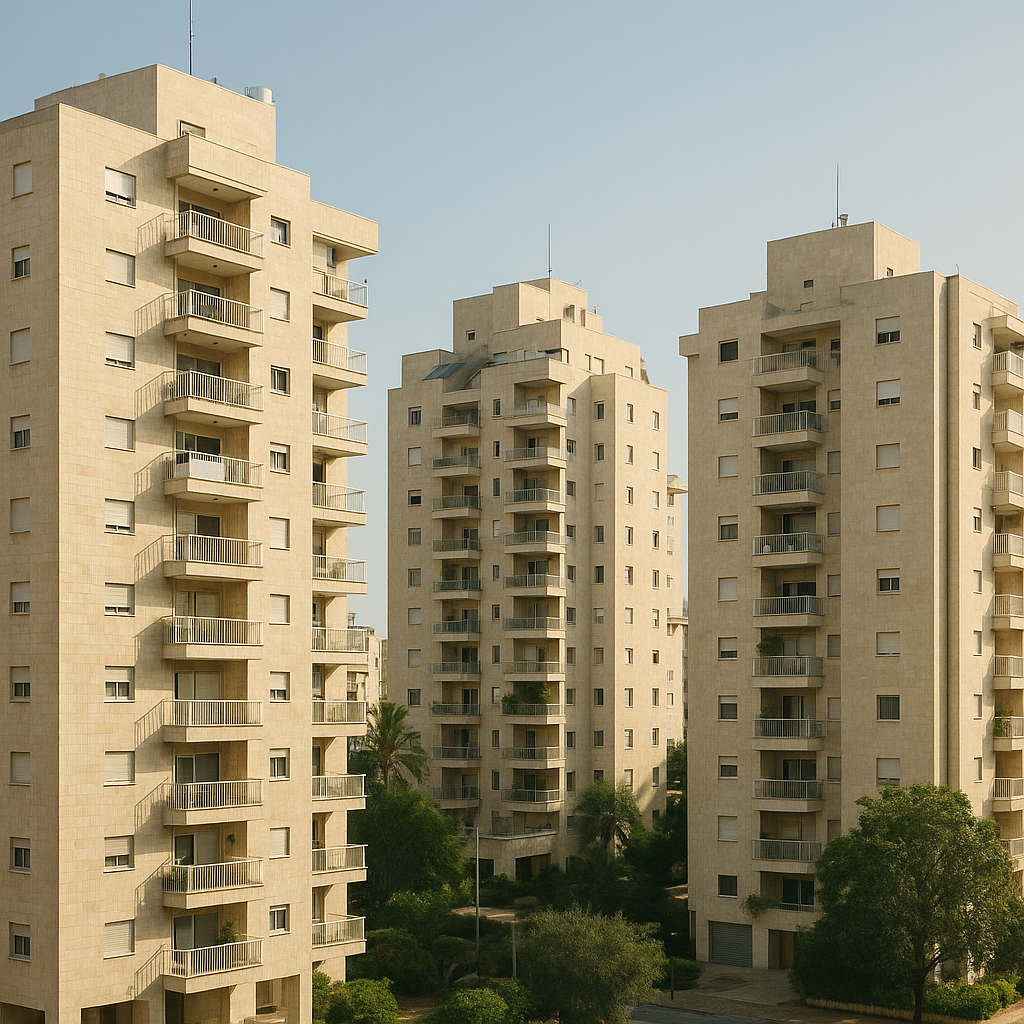
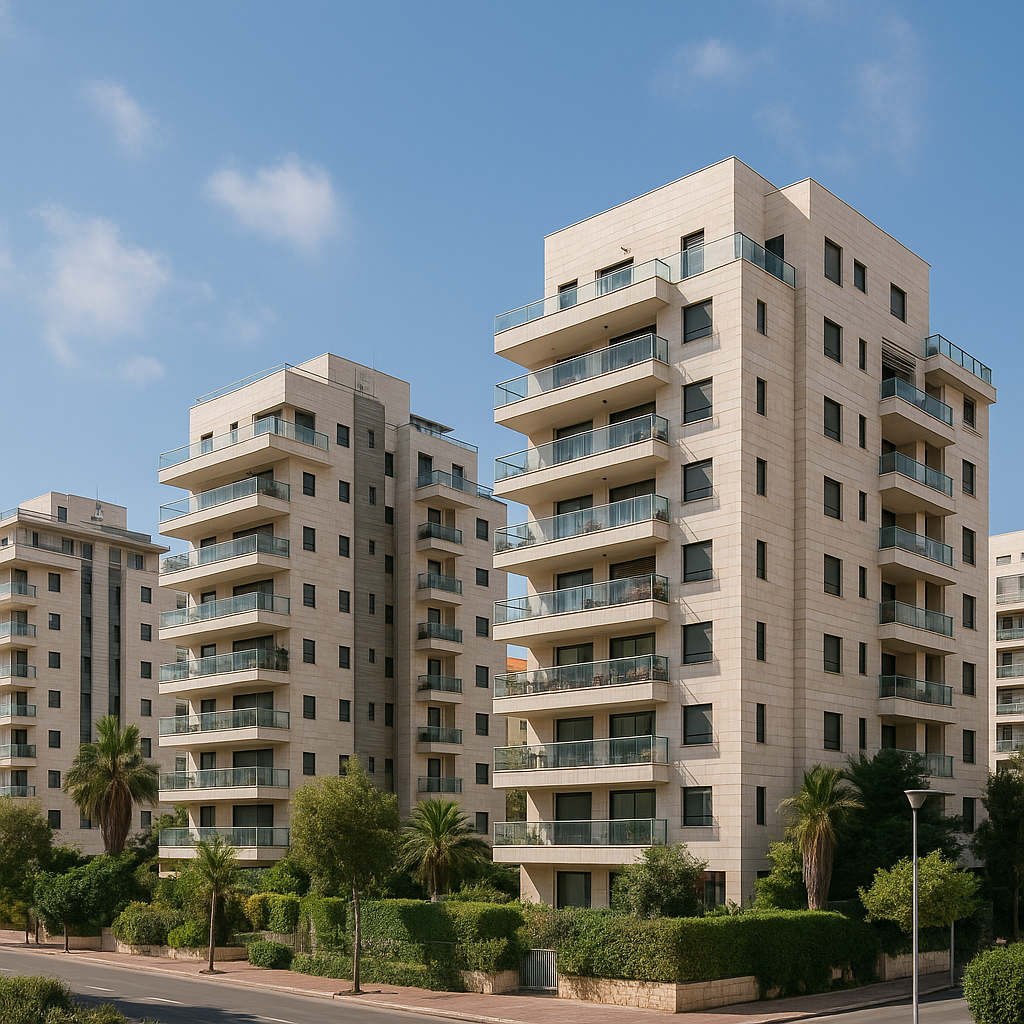
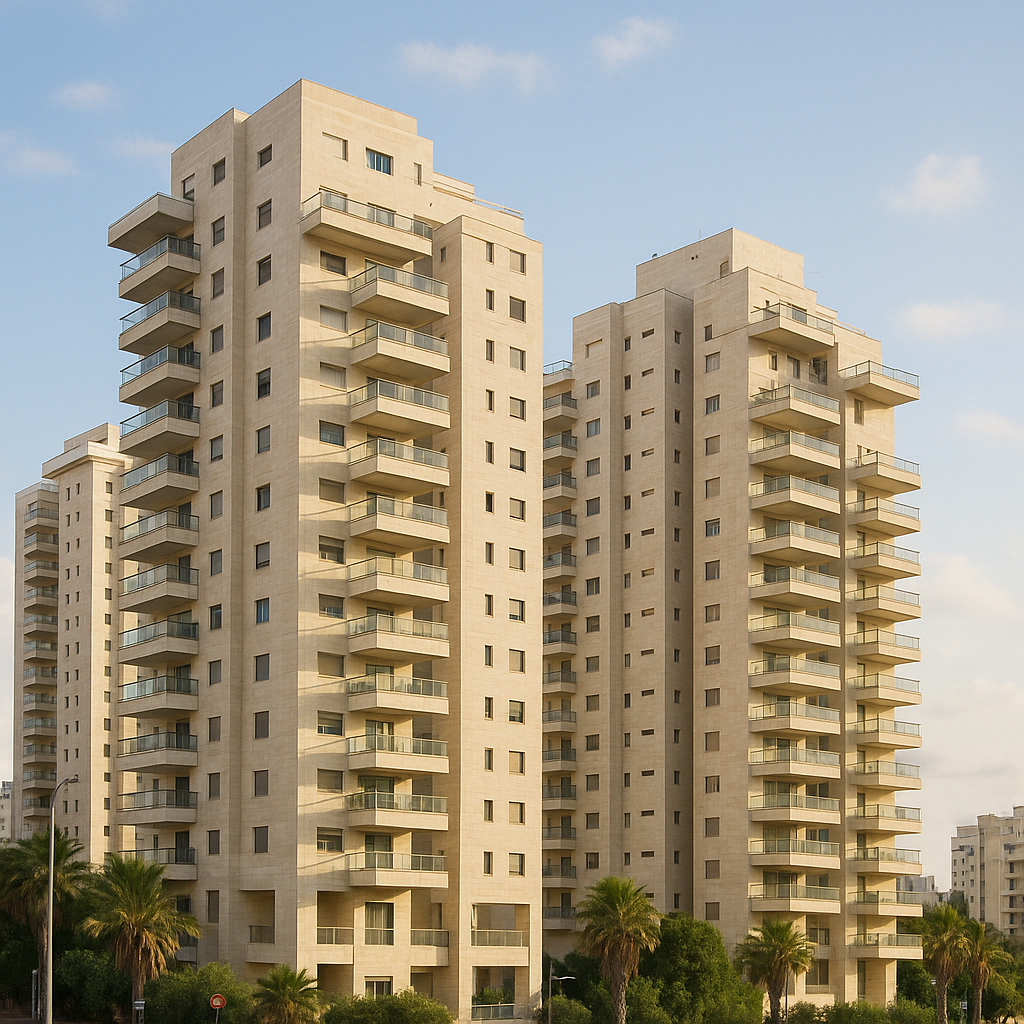
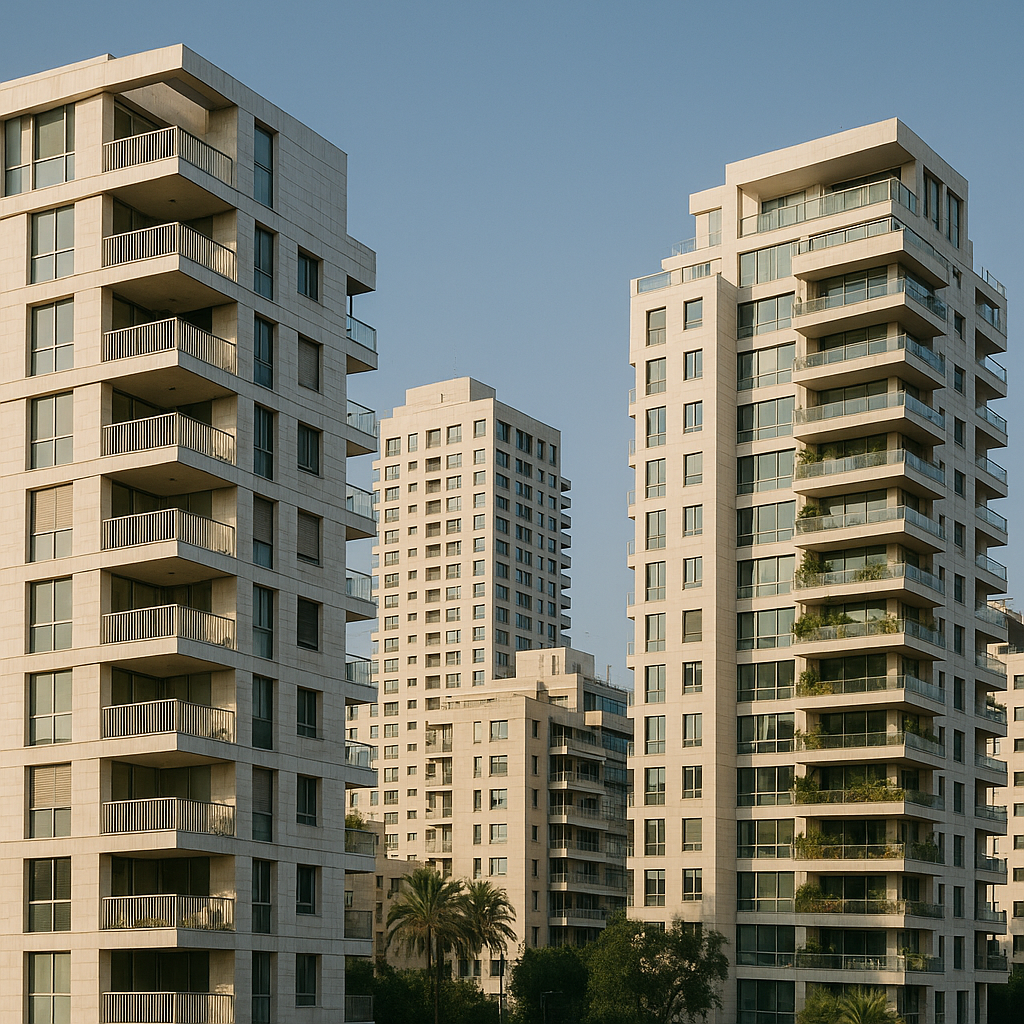
Ra’anana sits in the heart of the Sharon Plain, about twenty kilometres north of Tel Aviv. It’s a city of roughly seventy-five thousand people, founded in the early 1920s, and over the decades it has evolved into one of Israel’s most desirable residential locations. People often compare it to American suburbs like Scarsdale or Palo Alto, and that comparison is actually quite accurate. It’s affluent, organised, green, safe, and deeply family-oriented. It feels planned, intentional, and calm in a way that many Israeli cities simply are not.
This is one of the first things Anglo immigrants notice. Ra’anana feels familiar. The streets are tree-lined, the parks are clean and well maintained, the pavements are wide, the schools are modern, and the city functions smoothly by Israeli standards. For some people, this is a relief. For others, it feels like Israel with the edges sanded off.
What truly sets Ra’anana apart, though, is the Anglo community. This is not just “a lot of English speakers.” This is the largest, most established English-speaking immigrant population anywhere in Israel. Roughly a quarter to a third of the city speaks English fluently, and in certain neighbourhoods the number is significantly higher. You hear English constantly, in playgrounds, cafés, schools, synagogues, supermarkets. You can live your daily life here without speaking much Hebrew at all, especially in your first years.
The Anglo population is overwhelmingly made up of families. Most are in their thirties and forties with multiple children, working in high-earning professions like high-tech, finance, medicine, law, consulting, or running their own businesses. The majority are from the United States and Canada, with strong representation from the UK, South Africa, and Australia. These are generally well-educated, upper-middle-class or wealthy households, and that shapes the entire culture of the city.
There are also younger couples and professionals who move to Ra’anana before having children, often renting with the intention of staying long-term, as well as retirees and empty nesters who downsize but want to remain in an English-friendly, walkable, cultured environment. But the heartbeat of Ra’anana is families with school-age children, and everything about the city reflects that.
Housing is one of the clearest indicators of who Ra’anana is designed for. This is one of the most expensive residential markets in Israel outside of central Tel Aviv and Herzliya. Prices vary by neighbourhood, but there is no such thing as “cheap” Ra’anana. Large family homes with gardens can easily reach eight to ten million shekels and beyond, and even standard apartments command prices that would be considered luxury in many other cities. Renting is common for new immigrants, but even rents are high, particularly for family-sized homes.
People pay these prices because they’re buying into a full ecosystem. Excellent schools, safety, community, and proximity to Tel Aviv all factor into the premium. Ra’anana is close enough to commute to Tel Aviv for work, but far enough to offer suburban calm. By car or train, most people can reach Tel Aviv in under an hour door-to-door, especially with hybrid work arrangements that have become common. Many residents only commute a few days a week, which makes the balance workable.
Education is where Ra’anana truly distinguishes itself. For Anglo families, this is often the deciding factor. The city’s public school system is among the strongest in the country, particularly at the high-school level, and it is unusually well equipped to support immigrant children. Elementary schools have dedicated ulpan programmes, English-speaking staff, and experience integrating children who arrive with little or no Hebrew. Anglo children are not isolated here; they are part of large peer groups going through the same transition.
By high school, Ra’anana really shines. Its top secular and religious schools regularly produce graduates who go on to elite Israeli universities and, increasingly, top universities abroad. English literacy is maintained alongside full Hebrew fluency, and children grow up comfortable navigating both cultures. For parents, this combination feels like the best of both worlds: Israeli identity and integration without sacrificing academic standards or global opportunities.
Religiously, Ra’anana sits in a middle ground that appeals strongly to Modern Orthodox families but is also comfortable for secular ones. The city is largely secular and traditional, with a significant but not overwhelming religious population. There are many synagogues, a wide range of religious styles, strong Jewish infrastructure, and an active Shabbat atmosphere in certain neighbourhoods, but it does not feel dominated by religion in the way parts of Jerusalem do. Secular families live comfortably alongside religious ones, and the coexistence is generally harmonious.
Daily life in Ra’anana is highly structured and predictable. Mornings revolve around school drop-offs and commutes. Afternoons are filled with children’s activities, sports, music lessons, and playdates. Evenings are quiet and family-oriented, with people meeting at cafés, restaurants, or gathering at home. Weekends revolve around family, Shabbat, parks, and socialising. It’s safe, calm, and wholesome, and children enjoy a level of independence that gives parents peace of mind.
The city is full of parks and green spaces, and the central park in particular functions as a social hub. Infrastructure works well. Municipal services are reliable. Healthcare access is excellent, with all major health funds present and a major hospital nearby. Everything you need is close at hand.
But Ra’anana is not without its critics, and many of the criticisms are fair. It can feel sterile. It can feel boring. It lacks the raw energy of Tel Aviv and the historical depth of Jerusalem. There is little street chaos, little grit, little sense of improvisation. For people who move to Israel seeking intensity, authenticity, or cultural immersion, Ra’anana can feel like an American suburb that happens to be located in Israel.
The Anglo bubble is both Ra’anana’s greatest strength and its most controversial feature. The support infrastructure for immigrants here is unmatched. From community organisations to English-speaking professionals, social groups, schools, and informal networks, newcomers are wrapped in support from day one. For families navigating a complex move, this can be life-saving. It reduces stress, prevents isolation, and allows parents and children to adjust at their own pace.
At the same time, it is very easy to never fully integrate if you don’t actively choose to. Some families live largely in English, socialise primarily with other Anglos, and never fully push themselves into Israeli society. Others consciously use the support system as a foundation while building Hebrew, Israeli friendships, and deeper integration over time. Ra’anana gives you the option, and that freedom is both empowering and potentially limiting.
Economically, Ra’anana is not forgiving. This is a city for people with strong earning power. Beyond housing, the lifestyle itself is expensive. Children’s activities, camps, social expectations, and even casual living costs tend to be higher here. There is subtle pressure to “keep up,” and families who are stretching financially often feel it. To truly enjoy what Ra’anana offers, households generally need to be in the top tier of Israeli earners.
So who does Ra’anana work for? It works exceptionally well for affluent families with children who prioritise education, safety, community, and quality of life. It works for professionals who can earn high incomes and either commute to Tel Aviv or work remotely. It works for Modern Orthodox families seeking balance, and for parents who want their children to thrive academically and socially in a supportive environment.
Who does it not work for? Budget-conscious families, young singles, couples without children, artists, people seeking counterculture, or anyone craving urban excitement or deep cultural immersion. For those people, Ra’anana can feel expensive, dull, and disconnected from the Israel they imagined.
In the end, Ra’anana does exactly what it promises. It is Israel’s premier family suburb, built around education, community, and ease of living. It doesn’t try to be something else. It doesn’t offer adventure, edge, or intensity. It offers comfort, structure, and a remarkably high quality of life for those who fit its profile and can afford it.
For thousands of Anglo families, Ra’anana has become the place where they raised happy, successful Israeli children who are fully bilingual, fully integrated, and comfortable in both worlds. Whether it will be right for you depends entirely on your priorities, your financial reality, and what you want your Israeli life to feel like. If your vision of aliyah centres on family stability, excellent schools, and strong community support, Ra’anana may well be the best place in Israel to make that vision a reality.