A Guide To Anglo Communities In Netanya
Anglo Communities In Netanya
I want to paint you a picture of what life is really like in Netanya as an English-speaking immigrant, because this coastal city is something quite specific—not Tel Aviv, not Jerusalem, but its own distinct proposition that works brilliantly for some families and disappoints others.
Netanya sits on the Mediterranean coast about thirty kilometers north of Tel Aviv, home to around 220,000 people who live in what Israel calls its seaside capital. This isn’t Tel Aviv’s trendy beach culture with its cosmopolitan energy and sky-high prices. Instead, imagine a more relaxed, residential coastal town where life genuinely revolves around the beach, where the rhythm is slower, where you’re choosing affordability and outdoor lifestyle over urban intensity.
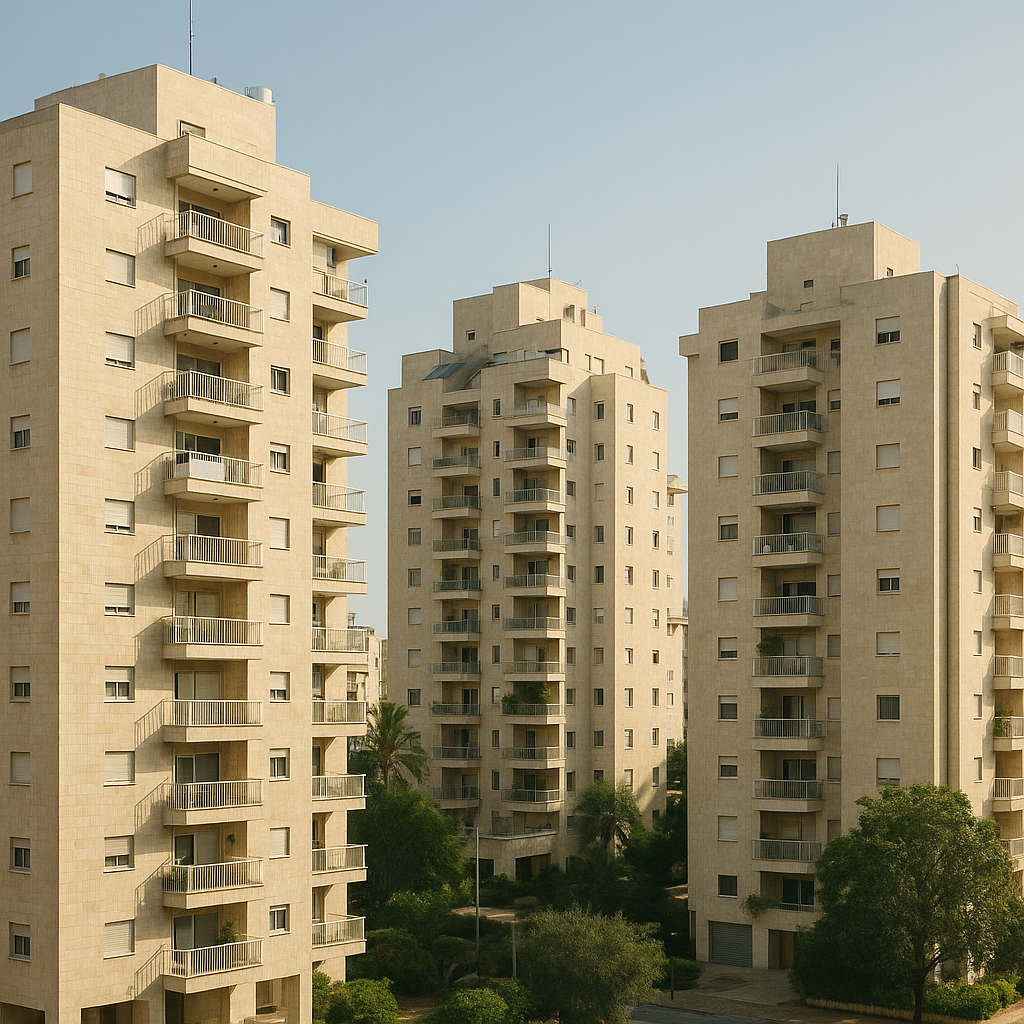
The Anglo community here is significant but fundamentally different from what you’d find in Jerusalem’s Baka neighborhood or Ra’anana’s established immigrant enclaves. You’re looking at roughly ten to fifteen percent of the population, maybe ten to fifteen thousand English speakers, concentrated primarily in the northern neighborhoods around Kiryat Hasharon and Ramat Poleg. The city center near Independence Square has another concentration of young professionals and families. What you won’t find are streets where forty percent of your neighbors speak English. This is more dispersed, more integrated into broader Israeli society, which means less of that instant community safety net but faster Hebrew acquisition and deeper cultural integration.
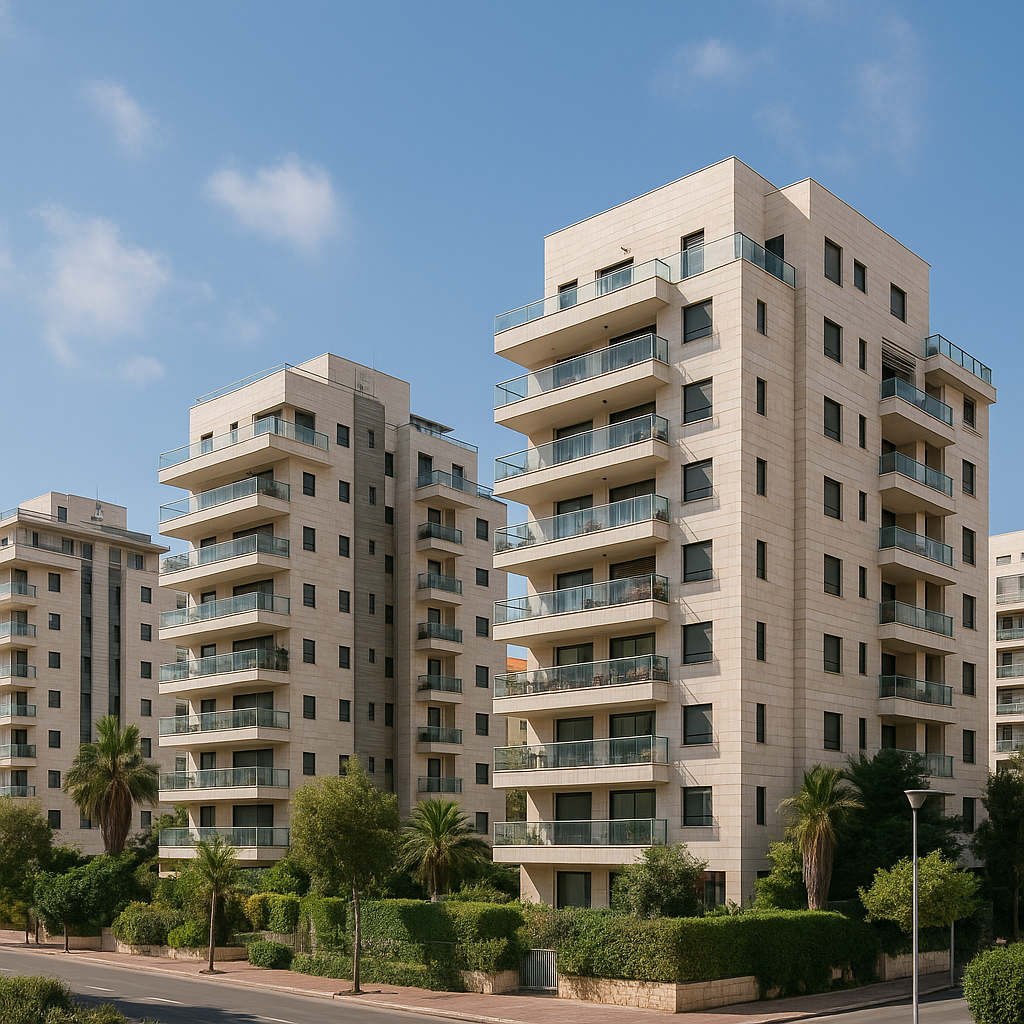
Let’s talk money, because this is where Netanya makes its strongest case. A three-bedroom apartment in the northern neighborhoods runs between two and a half to three and a half million shekels—that’s roughly seven hundred thousand to a million dollars. Compare that to Baka in Jerusalem where you’d pay four and a half to six million for the same space, and you’re saving thirty to forty percent. A four-bedroom might cost you three to four and a half million shekels, while newer construction in the southern Ir Yamim neighborhoods goes for two point eight to four million for three to four bedrooms. If you’re renting, a three-bedroom apartment runs five to seven and a half thousand shekels monthly, maybe fourteen hundred to twenty-one hundred dollars, with four-bedroom places costing seven to ten thousand shekels. These are numbers that make young families sit up and pay attention when they’re being priced out of Tel Aviv or central Jerusalem.
But here’s the reality check that comes with those savings—the commute. Netanya doesn’t have Tel Aviv’s employment opportunities or Jerusalem’s institutions, which means many residents face a daily journey. Getting to Tel Aviv takes thirty-five to fifty minutes by car in normal traffic, but sixty to ninety minutes during rush hour. The train runs frequently and takes thirty to forty minutes to Tel Aviv Center, but door to door, you’re typically looking at sixty to ninety minutes each way. That’s two to three hours daily in transit, which fundamentally impacts your quality of life and family time. Jerusalem is even worse—ninety to one hundred twenty minutes by car or various train and bus combinations. Very few people make that commute daily. Most families negotiate two or three days in the office rather than five-day weeks, or one spouse works remotely while the other commutes, or they accept that Netanya only makes sense if you work locally or remotely.
Education presents another complexity. Netanya has religious schools—Nitzanim for elementary, Mekor Chaim High School, various Mamlachti Dati institutions—but they don’t carry the reputation or track record of Jerusalem’s Pelech or Himmelfarb. The religious community is smaller and less established. The Anglo presence in these schools runs ten to twenty percent compared to Jerusalem’s thirty to forty percent, meaning more Hebrew immersion but less peer support for immigrant children adjusting to a new country. The secular public schools actually have better reputations, particularly the ORT schools with their technology focus. International options are limited, which means families seeking English-language education often need to look elsewhere. Many Anglo families ultimately choose other cities specifically because of schools. If educational quality ranks as your top priority, this becomes a significant mark against Netanya.
The city’s character is predominantly secular—sixty to seventy percent of residents identify as secular or traditional, with only twenty to twenty-five percent religious and a small Haredi population. This creates a stark contrast to Jerusalem’s religious atmosphere. Most businesses operate on Shabbat, though religious neighborhoods still close down. Public buses run on Shabbat along main routes. Kashrut observance in restaurants and shops is less stringent. Beach culture dominates the city—bikinis, mixed swimming, a secular Israeli lifestyle in full expression. For Modern Orthodox families, Netanya means adjusting to minority status. You can absolutely maintain an observant lifestyle with kosher supermarkets, multiple synagogues, and religious schools available, but you’re consciously choosing a secular city and need comfort with that environment. For secular families, Netanya offers more ease than Jerusalem without Tel Aviv’s intensity and expense.
The beach defines everything here. Thirteen and a half kilometers of Mediterranean coastline with multiple beaches—Sironit Beach at the center, Poleg Beach up north popular with families, Blue Bay Beach to the south, and numerous smaller beaches along the promenade. This promenade, the tayelet, functions as the city’s social center where people walk, jog, bike, and gather. Sunsets here are genuinely spectacular. Summer evenings bring thousands of residents and visitors strolling along the water. The daily rhythm runs quieter than Jerusalem or Tel Aviv in the mornings—families getting kids to school, some heading to work, retirees doing morning walks—but the city comes alive late afternoon and evening when people hit the beach, promenade, cafés, and restaurants. Weekends focus entirely on the beach, with Friday afternoon, Saturday, and Sunday seeing the shores packed with families. It’s a completely different rhythm from Jerusalem’s Shabbat tranquility.
Dining and social scenes are decent but not destination-worthy. The city center around Independence Square offers several good restaurants, and the promenade features places with sea views, but you’re looking at middle-tier dining—good local spots, not places people travel to experience. The social scene runs quieter and more family-oriented, with less nightlife than Tel Aviv and fewer cultural events than Jerusalem. This appeals to families wanting a calmer lifestyle but disappoints those seeking urban energy.
The Anglo community support exists but at a smaller scale than Jerusalem or Ra’anana. Nefesh B’Nefesh runs absorption activities and events. Anglo social groups organize Shabbat meals, holiday gatherings, and meetups. Facebook groups connect English speakers for advice and recommendations. Sports and recreation groups form around running clubs and ulpan. But the community feels less established, less dense. You won’t find that automatic support network many Anglos rely on during difficult adjustment periods. Many report feeling more isolated initially in Netanya compared to Anglo-heavy cities.
The coastal climate ranks among the city’s biggest draws—hot, humid summers moderated by sea breezes, mild winters with occasional rain, over three hundred sunny days annually, and a beach season running May through October. The weather genuinely beats Jerusalem’s extremes and matches Tel Aviv’s pleasantness. For people from temperate climates, this year-round comfort significantly improves quality of life.
Healthcare infrastructure is solid with Laniado Hospital as the main facility and clinics from all four health funds throughout the city. English-speaking doctors exist but in fewer numbers than Jerusalem or Tel Aviv. For complex medical issues, many residents travel to Tel Aviv’s major hospitals thirty to forty minutes away.
The local economy is smaller and less diverse than major cities, centered on the declining diamond industry, growing but modest high-tech sector, tourism and hospitality, healthcare, and retail services. For Anglos, this means limited local high-paying jobs and frequent commuting to Tel Aviv. English teaching opportunities exist but don’t pay well. Remote work fits Netanya ideally. Freelancing and consulting work well. Starting a business is possible but you face a smaller local market. Average salaries run ten to twenty percent lower than Tel Aviv for comparable positions, making the economics challenging when combined with commute time.
Beyond housing, monthly costs for a family of four typically total twenty-one to thirty-two thousand shekels—six to nine thousand dollars—covering housing, food, transportation, utilities, healthcare, childcare, and miscellaneous expenses. This runs fifteen to twenty percent less than Jerusalem or Tel Aviv, primarily through housing savings. Living comfortably requires twenty-five to thirty thousand shekels gross monthly income, a better lifestyle needs thirty-five to forty-five thousand, and upper-middle class living requires fifty thousand plus.
Security considerations exist. Being coastal, Netanya has been targeted in past conflicts, including the devastating Park Hotel bombing in 2002. Rocket threats from Gaza occur during conflicts, though less frequently than southern cities. Day-to-day, the city feels safe with moderate crime rates, but during security escalations, coastal cities face real threats. All buildings have bomb shelters, and residents develop the same resilience found throughout Israel.
Netanya works best for families seeking beach lifestyle and outdoor activities, those priced out of Tel Aviv or Jerusalem but working there, retirees wanting coastal living and pleasant climate, people comfortable with secular environments, those prioritizing affordability and space over urban amenities, and remote workers not tied to office locations. It fits poorly for families prioritizing top-tier Jewish education, those seeking vibrant urban culture, strongly religious families wanting observant environments, career-focused professionals needing daily Tel Aviv office presence, people without cars since the city is more car-dependent, and those expecting an established, dense Anglo bubble.
Comparing cities reveals trade-offs. Ra’anana offers a more established Anglo community at twenty to twenty-five percent of residents, better schools with strong English programs, more affluent demographics, and easier Tel Aviv commute, but costs significantly more and lacks beach access. Modi’in provides a larger Anglo population, newer infrastructure, excellent schools, and better Jerusalem-Tel Aviv commute balance, but sits inland, costs more, and feels more planned than organic. Tel Aviv delivers infinitely better employment, culture, restaurants, and urban energy, but costs forty to fifty percent more for housing with less space. Jerusalem offers religious infrastructure, educational excellence, historical significance, and no commute if you work there, but costs more, has its own security concerns, and presents religious atmosphere that doesn’t suit everyone.
The Hebrew integration factor in Netanya demands attention. You’ll need functional Hebrew more than in Jerusalem’s Anglo bubble. The smaller Anglo population means fewer English-speaking service providers, more Hebrew in schools and activities, less ability to live entirely in English, but faster Hebrew acquisition for motivated learners and more authentic Israeli integration. This is either a feature or a bug depending on your perspective and goals.
Practically speaking, a car is basically essential in Netanya. Public buses exist but run less frequently than major cities. The train station provides good Tel Aviv access. Parking is easier than Jerusalem but challenging downtown. Cycling culture is growing with bike paths along the beach. Multiple shopping centers, good supermarkets, and traditional markets handle daily needs with less variety than Tel Aviv but adequate selection. Children’s activities center on beach activities like swimming, surfing, and paddleboarding, parks and playgrounds throughout the city, and sports clubs, but with fewer cultural activities than major cities offer.
Netanya represents a middle path—not as expensive as Tel Aviv or central Jerusalem, not as affordable as development towns; not as urban as Tel Aviv, not as relaxed as smaller towns; not as religious as Jerusalem, not as secular as Tel Aviv; not as established for Anglos as Ra’anana, not as immigrant-friendly as Modi’in. It’s a compromise city that works beautifully for families with the right priorities who value beach lifestyle, can handle a commute or work remotely, are comfortable in secular environments, aren’t dependent on an established Anglo bubble, and prioritize affordability and space over urban amenities or educational prestige.
For thousands of families, both Anglo and Israeli, Netanya provides high quality of life at manageable cost compared to Israel’s expensive central cities. The beach culture, pleasant climate, and family-friendly atmosphere create genuine appeal. Kids grow up with sand between their toes, spending summers on the beach, developing strong Hebrew skills, and integrating fully into Israeli society. But it requires accepting weaker schools than Jerusalem, less culture than Tel Aviv, smaller Anglo community than Ra’anana, and often a difficult commute to where the jobs are. Whether these trade-offs align with your priorities and budget determines whether Netanya becomes an excellent choice or a disappointing compromise.
The decision deserves multiple visits, conversations with current Anglo residents through Facebook groups, trying the commute during rush hour, visiting schools, and honest assessment of whether this lifestyle fits your family’s needs. Netanya isn’t trying to be Tel Aviv or Jerusalem—it’s succeeding at being exactly what it is, a beach city with a relaxed vibe. Whether that’s what you want for your life in Israel is something only you can determine.